
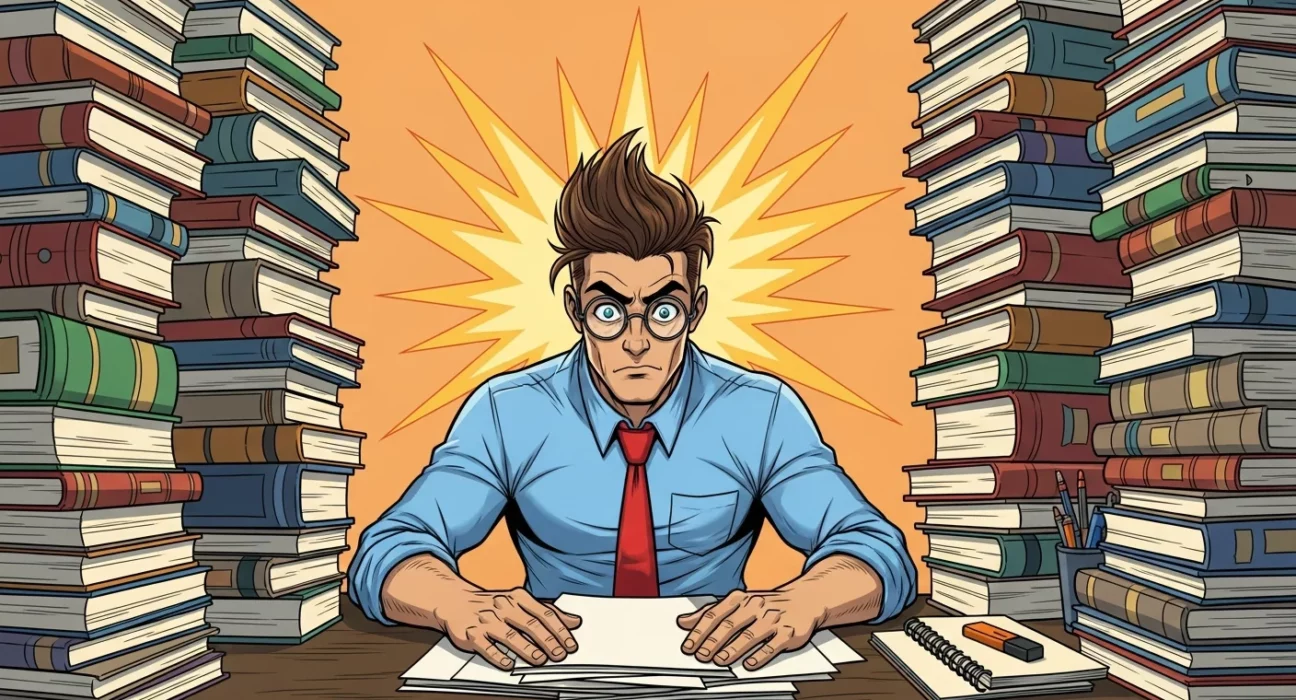
Have you ever felt completely worn out after a tough day, even if you didn’t do much physically? Many people wonder if their constant tiredness is linked to the stress they’re dealing with in everyday life. In this article, we’ll look at how stress can lead to fatigue, explain the reasons behind it, and share some gentle ways to think about managing it—all in a calm and straightforward way.
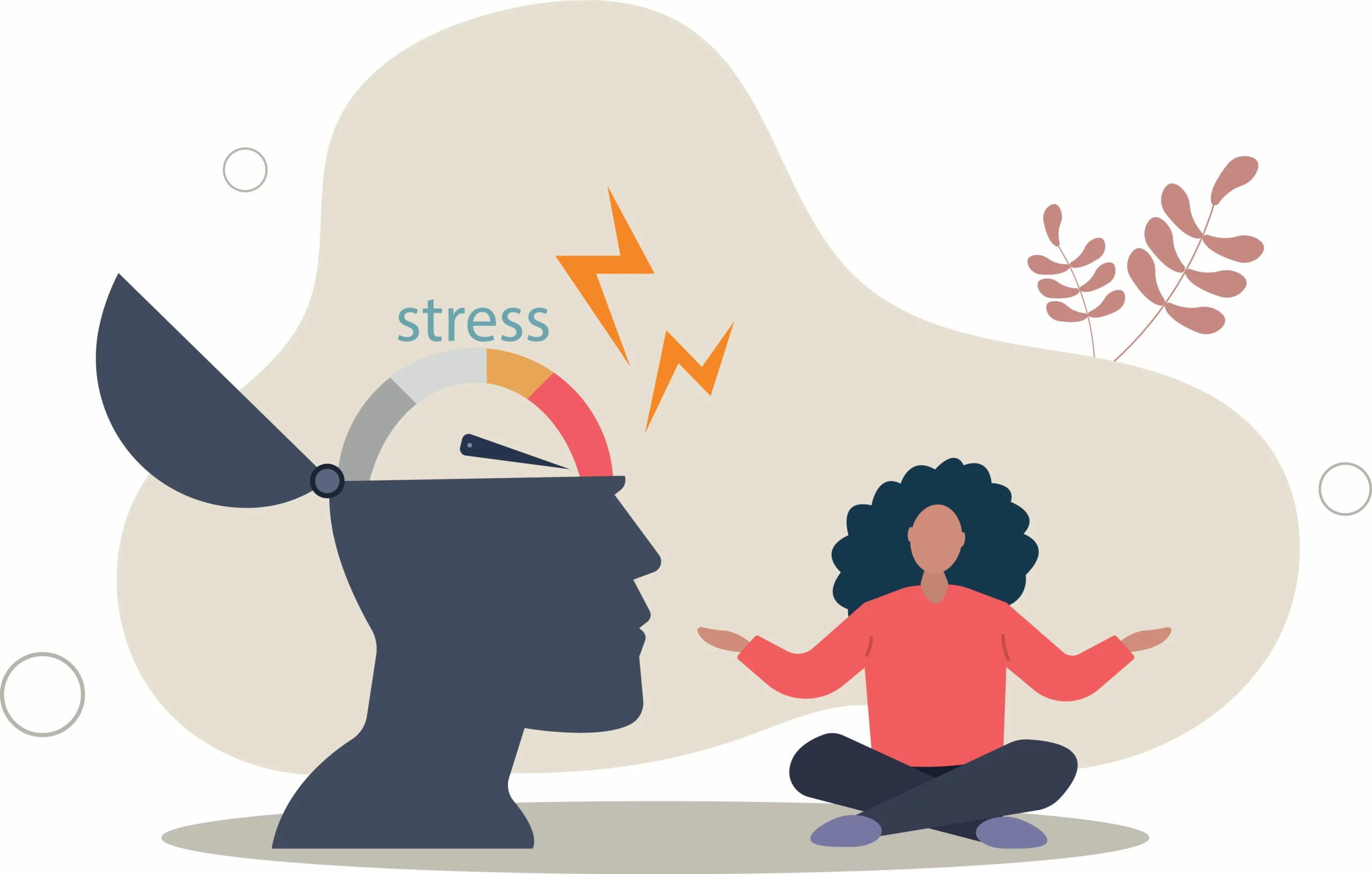
What Is Stress and How Does It Affect Your Body?
Stress is your body’s natural response to challenges or demands, whether from work, relationships, or unexpected events. It’s like an alarm system that helps you react quickly in tough situations. But when stress sticks around for too long, it can start to wear you down.
Your body releases hormones like cortisol and adrenaline during stress to give you a burst of energy. This “fight-or-flight” reaction is helpful in short bursts, but ongoing stress keeps these hormones flowing. Over time, this can disrupt your sleep, make it hard to relax, and leave you feeling drained.
Think of it as running a car engine at high speed without a break—it eventually runs out of fuel. Chronic stress can mess with your body’s balance, leading to physical and mental exhaustion that feels like constant tiredness.
Common Ways Stress Can Lead to Fatigue
Stress doesn’t just affect your mind; it impacts your whole body in ways that can build up to fatigue. Here are some common factors that explain this connection.
Physical Effects on Energy Levels
When you’re stressed, your muscles tense up, and your heart rate increases, using up more energy than usual. This can lead to muscle aches and a general sense of weariness, even if you’re not moving much. Poor sleep often comes hand-in-hand with stress, as racing thoughts keep you awake at night, making daytime fatigue worse.
Stress can also affect your appetite, leading to skipped meals or poor nutrition, which robs your body of the fuel it needs. In many cases, this creates a cycle where low energy from stress makes it harder to handle daily tasks, adding more stress.
Mental and Emotional Drain
On the mental side, stress can cause emotional exhaustion, where you feel overwhelmed and unable to focus. This mental fatigue makes simple decisions feel huge, zapping your motivation and leaving you tired. Anxiety from stress can heighten this, as constant worry uses up brain power that could go toward rest and recovery.
Burnout, a form of extreme stress, often shows up as deep fatigue that rest alone doesn’t fix. It’s like your emotional battery is depleted, making everything feel more exhausting.
Lifestyle Factors That Amplify the Issue
Daily habits influenced by stress can worsen fatigue. For example, reaching for caffeine or sugar to push through a stressful day might give a quick boost but leads to crashes later. Lack of exercise due to feeling too tired from stress can create a loop of inactivity and low energy.
In some situations, stress might lead to avoiding social time or hobbies, which normally recharge you. This isolation can make fatigue feel even heavier, as you miss out on the support that helps balance life’s pressures.
More: Is It Normal to Feel Tired All Day?
How Stress and Fatigue Show Up in Everyday Life
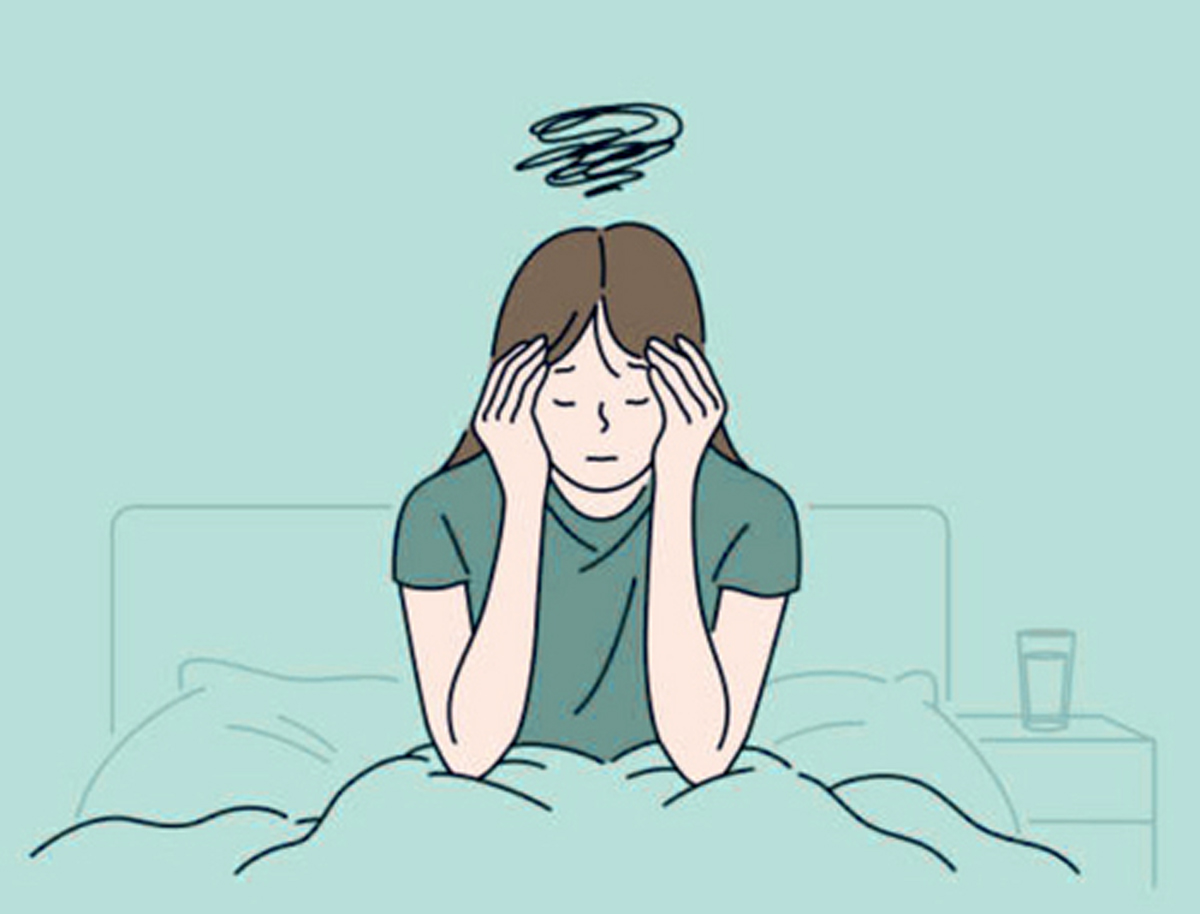
In daily routines, stress-related fatigue often sneaks in without you noticing at first. Picture a busy parent juggling work and family—deadlines at the office cause tension, which carries home and disrupts sleep, leading to groggy mornings.
At work, stress from tight schedules or conflicts might make you feel sluggish by afternoon, even after a full night’s rest. Students facing exams often experience this too, where worry about grades turns into all-nighters and constant yawning during the day.
Even positive events, like planning a big trip, can bring stress that tires you out. It’s common in modern life, with constant notifications and demands pulling your attention in many directions. Recognizing these patterns can help you see how normal activities might be contributing to that tired feeling.
When It May Be Worth Paying Attention
While stress-related fatigue is common and often eases with rest, sometimes it lingers or feels more intense. If tiredness affects your daily activities for weeks, it may be helpful to notice other signs like ongoing headaches or mood changes.
Keep in mind that fatigue can sometimes relate to other factors, like diet or sleep habits. It’s not about jumping to conclusions but being aware of your body’s signals.
When Should You Consider Professional Help?
If fatigue from stress doesn’t improve with simple changes, like better sleep or relaxation, it might be time to talk to a healthcare provider. This is especially true if it’s paired with symptoms like persistent sadness, trouble concentrating, or physical issues that worry you.
Professionals can help rule out other causes and offer guidance tailored to you. Remember, seeking help is a positive step, not a sign of weakness—it’s about taking care of yourself.

Simple Takeaways for Managing Stress and Fatigue
Here are some gentle reminders to help you think about this connection:
- Notice your stress triggers: Keep track of what situations make you feel tense, so you can address them early.
- Prioritize rest: Aim for consistent sleep and short breaks during the day to recharge.
- Move a little: Gentle activities like walking can help release tension without adding more exhaustion.
- Eat balanced meals: Fuel your body with nutritious foods to support energy levels.
- Practice relaxation: Techniques like deep breathing or listening to calm music can ease stress over time.
These aren’t quick fixes but small steps that can make a difference in how you feel.
Wrapping It Up
Stress can indeed play a big role in causing fatigue, as it affects your body and mind in ways that build up over time. By understanding this link, you can start to make small adjustments in your daily life to feel more energized. Everyone experiences this differently, so be kind to yourself as you navigate it—it’s all part of living a balanced life.
More: Why Do I Feel So Tired After Eating? Common Reasons Explained
FAQ
Can stress cause fatigue even if I’m sleeping enough?
Yes, stress can lead to fatigue by keeping your body in a heightened state, making rest less effective. It’s often about the quality of sleep, not just the hours.
How long does stress-related fatigue usually last?
It varies, but for many, it eases within days or weeks with rest. If it persists, other factors might be at play.
Are there foods that help with stress and fatigue?
Foods rich in vitamins, like fruits and nuts, may support energy. But it’s best to focus on a balanced diet overall.
Does exercise make stress fatigue worse?
Gentle exercise can actually help by reducing stress hormones, but overdoing it might add to tiredness—listen to your body.
Can kids experience fatigue from stress?
Yes, children can feel tired from school or family stress, just like adults. Encouraging open talks can help.