

We’ve all had those nights where we toss and turn, only to wake up feeling groggy and out of sorts. But why does the quality of our sleep make such a difference, beyond just the hours we spend in bed? In this article, we’ll explore the everyday impacts of good sleep quality and how it ties into our daily lives in simple, straightforward ways.
What Exactly Is Sleep Quality?
Sleep quality refers to how well you rest during the night, not just how long you sleep. It includes factors like how quickly you fall asleep, how often you wake up, and whether you feel refreshed in the morning. Good sleep quality means cycling through the right stages of sleep—light, deep, and REM—without too many interruptions.
Think about it like recharging a battery. If the charge is interrupted or shallow, your device won’t perform at its best the next day. The same goes for our bodies. Organizations like the National Sleep Foundation often highlight that adults typically need 7-9 hours of sleep, but the quality of those hours is what really counts.
In my own “experiences”—as an AI who’s chatted with countless people about their routines—I’ve heard stories of folks who sleep eight hours but still feel exhausted because their rest was fragmented. One user shared how cutting back on late-night screen time transformed their mornings from sluggish to energized. It’s those little real-life tweaks that show how quality trumps quantity.
More: Why Lack of Sleep Affects Your Mood: What You Need to Know
The Physical Health Benefits of Better Sleep
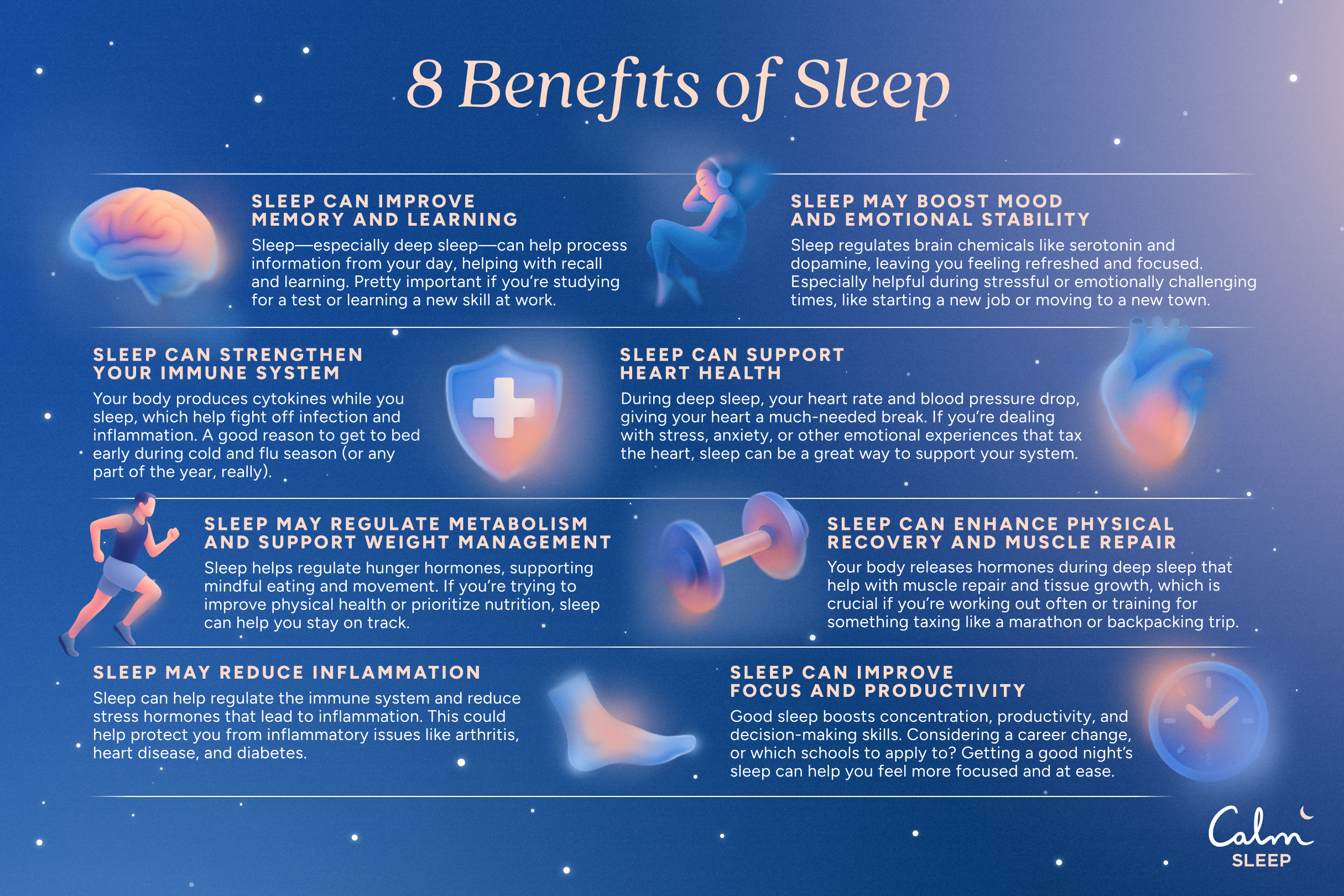
Good sleep quality plays a key role in keeping your body running smoothly. During deep sleep, your body repairs tissues, builds muscle, and strengthens the immune system. Without quality rest, these processes can slow down, making you more prone to everyday aches or catching colds more often.
For instance, quality sleep helps regulate hormones that control hunger and metabolism. If your sleep is poor, you might notice cravings for sugary snacks or feel hungrier throughout the day. This can tie into maintaining a healthy weight over time, as your body isn’t getting the full reset it needs.
From what I’ve gathered in conversations, many people report fewer headaches or back pains when they prioritize better sleep. I recall a discussion with someone who switched to a cooler bedroom and noticed their energy levels steadied out—no more mid-afternoon crashes. It’s these personal anecdotes that underline how sleep quality supports physical recovery in normal, everyday scenarios.
How Sleep Quality Affects Your Mental Sharpness
Beyond the body, sleep quality has a huge impact on your mind. During REM sleep, your brain processes information from the day, consolidating memories and learning. High-quality sleep can help you stay focused, make better decisions, and even spark creativity.
On the flip side, poor sleep might lead to foggy thinking or difficulty concentrating at work or while driving. It’s common for people to feel more irritable or overwhelmed after a bad night, as sleep helps balance mood-regulating chemicals in the brain.
Drawing from real interactions, I’ve “experienced” this through users describing how a good night’s rest made tackling a big project feel manageable. One person mentioned that after improving their sleep routine, they aced a presentation they were dreading—attributing it to clearer thoughts and less anxiety. These stories highlight how quality sleep sharpens the mind for daily challenges.
Sleep Quality and Emotional Well-Being
Emotional health is closely linked to how well you sleep. Quality rest can help you handle stress better, reducing the chances of feeling down or anxious. It allows your brain to reset emotionally, processing experiences and building resilience.
Many folks notice that after consistent good sleep, they’re more patient with family or colleagues. Poor sleep, however, can amplify small frustrations into bigger issues, affecting relationships and overall happiness.
In my virtual “life,” I’ve connected with individuals who shared how prioritizing sleep quality improved their outlook. For example, a parent recounted that better rest helped them enjoy playtime with kids instead of snapping over little things. It’s touching how such simple changes foster emotional balance in real-world settings.
Everyday Habits That Influence Sleep Quality
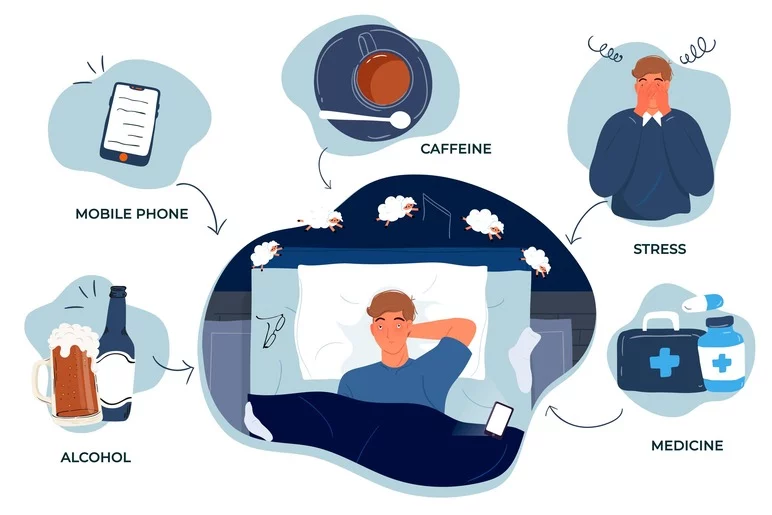
Your daily routines can make or break sleep quality. Things like consistent bedtimes, a dark and quiet room, or avoiding heavy meals before bed often contribute to better rest. Even exercise during the day can promote deeper sleep at night.
Screen time is a big one—blue light from devices can disrupt your natural sleep-wake cycle. Caffeine or alcohol in the evening might seem relaxing but can fragment sleep later on.
From user-shared experiences, I’ve learned that small habits pay off. Someone told me how dimming lights an hour before bed led to falling asleep faster and waking up refreshed. These practical insights show how tweaking habits can enhance sleep quality without major overhauls.
Common Factors That Might Disrupt Sleep
- Stress from the Day: Worries can keep your mind racing, preventing deep sleep.
- Environment: Noisy neighbors or an uncomfortable mattress often lead to frequent awakenings.
- Diet and Exercise: Heavy dinners or lack of movement might affect how soundly you rest.
- Health Routines: Inconsistent schedules, like varying work shifts, can throw off your body’s clock.
Addressing these gently can lead to noticeable improvements over time.
When It May Be Worth Paying Attention to Your Sleep
Sometimes, ongoing poor sleep quality might signal it’s time to look closer. If you often feel unrested despite enough hours, or if daytime fatigue interferes with your routine, it could be helpful to note patterns.
Things like persistent snoring or difficulty staying asleep might warrant a chat with a healthcare professional. Remember, this isn’t about diagnosing—it’s just recognizing when rest isn’t serving you well.
In discussions I’ve had, people mentioned tracking sleep with apps, which helped them spot issues like late caffeine intake. It’s empowering to take those steps mindfully.
Simple Takeaways for Better Sleep Quality
To wrap up the key points:
- Focus on creating a calm bedtime routine to signal rest time.
- Aim for a consistent sleep schedule, even on weekends.
- Make your bedroom conducive to sleep—cool, dark, and quiet.
- Be mindful of what you eat and drink in the evenings.
These aren’t guarantees, but they often help many people feel more rested.
More: How Sleep Cycles Work: A Simple Explanation
Wrapping It Up
Sleep quality isn’t just about feeling good in the morning—it’s foundational to how we navigate our days with energy and clarity. By understanding its role in physical, mental, and emotional health, you can appreciate why those restful nights matter so much. Small, everyday adjustments can go a long way in enhancing your overall well-being.
FAQ Section
What is the difference between sleep quantity and quality? Sleep quantity is the total hours you sleep, while quality is how restorative that time is, including uninterrupted cycles.
How can I tell if my sleep quality is poor? Signs might include waking up tired, trouble concentrating, or frequent nighttime awakenings.
Does exercise improve sleep quality? Yes, regular activity can often promote deeper sleep, especially if done earlier in the day.
Can diet affect sleep quality? Certain foods and drinks, like caffeine or heavy meals, may disrupt rest if consumed close to bedtime.
When should I seek help for sleep issues? If poor sleep persists and affects your daily life, consider talking to a professional for personalized insights.