
Have you ever enjoyed a late-afternoon coffee only to toss and turn at night? Many people wonder about this common experience. In this guide, we’ll explore how caffeine can influence your sleep in everyday ways, drawing from general insights and reliable sources.
A Quick Look at Caffeine and Its Role in Daily Life
Caffeine is a natural stimulant found in coffee, tea, soda, and even chocolate. It works by blocking a chemical in your brain called adenosine, which normally builds up during the day and makes you feel sleepy. This blocking action can help you feel more alert and focused, which is why so many folks reach for a cup in the morning.
In my own routine, I often start the day with a black coffee to shake off the morning fog. It perks me up quickly, but I’ve noticed that if I have another one after lunch, my mind races a bit more in the evening. This personal habit highlights how caffeine’s effects can linger, depending on when you consume it.
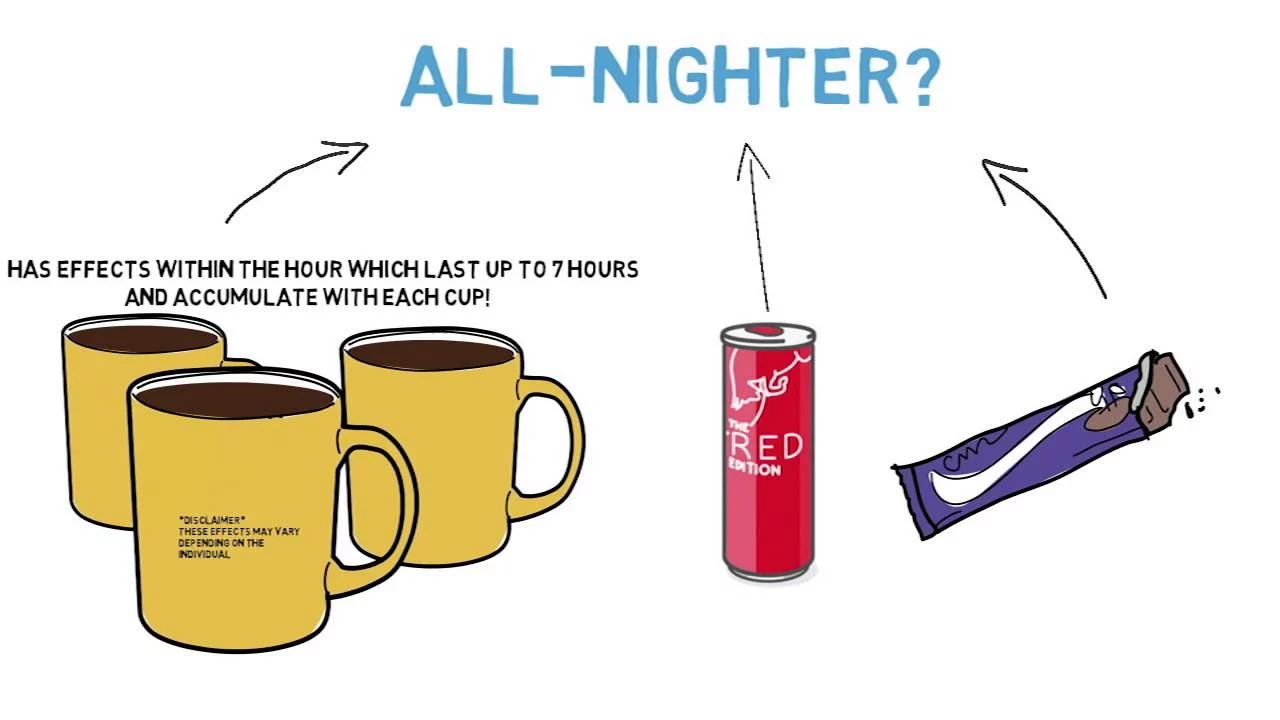
Caffeine enters your bloodstream within about 15 to 20 minutes after drinking it, and its peak effects happen around an hour later. The half-life of caffeine – the time it takes for half of it to leave your system – is usually 5 to 6 hours for most adults. That means if you have a cup at 3 p.m., half of that caffeine might still be active when you head to bed at 10 p.m.
How Caffeine Can Delay Falling Asleep
One of the most noticeable ways caffeine affects sleep is by making it harder to drift off. This is often called increased sleep latency – the time it takes to fall asleep. Studies show that consuming caffeine, even several hours before bed, can extend this period by 9 minutes or more on average.
For example, if you’re sensitive to caffeine, that evening espresso might keep your brain buzzing. Adenosine receptors are blocked, so the natural wind-down process is interrupted. In real life, this could mean lying awake, replaying the day’s events instead of resting.
I remember a time when I was working on a project and had an energy drink around 5 p.m. That night, I stared at the ceiling for what felt like hours. It taught me to be more mindful of timing my caffeine intake, especially on busy days.
More: Why Do I Feel So Tired on Weekends? Let’s Unpack It
The Impact on Sleep Quality and Stages
Beyond just falling asleep, caffeine can alter the quality of your rest. It often reduces total sleep time by about 45 minutes and lowers sleep efficiency by 7%. Sleep efficiency is how much of your time in bed is actually spent sleeping.
Caffeine tends to increase light sleep (stage 1) while decreasing deep sleep (stages 3 and 4). Deep sleep is crucial for feeling refreshed, as it’s when your body repairs tissues and strengthens the immune system. With less of it, you might wake up groggy, even after a full night’s attempt at rest.
It can also affect REM sleep, the stage linked to dreaming and memory processing. Some research suggests caffeine delays REM sleep or reduces its duration, especially if taken close to bedtime. However, effects can vary – in some cases, combining caffeine with alcohol might offset some disruptions, but that’s not a reliable strategy.
In my experience, after a day with multiple coffees, my sleep feels fragmented. I wake up more often, and the next morning, it’s like I didn’t fully recharge. This matches what many people report in everyday situations.
Common Factors That Influence Caffeine’s Effects
Several things can make caffeine’s impact on sleep stronger or weaker:
- Individual Sensitivity: Some people metabolize caffeine quickly due to genetics, while others feel its effects longer. If you’re a slow metabolizer, even morning coffee might linger.
- Amount Consumed: Higher doses, like 400 mg (about four cups of coffee), can disrupt sleep more significantly, even if taken 6 hours before bed.
- Timing: To minimize issues, avoid caffeine at least 8-9 hours before bedtime. For pre-workout supplements with high caffeine, aim for 13 hours earlier.
- Age and Habits: Older adults might experience more disruptions, as shown in studies with middle-aged people where caffeine reduced total sleep by 2 hours. Regular users may build tolerance, but withdrawal can also affect sleep.
- Other Substances: Mixing with nicotine or alcohol can compound problems, though some data suggests caffeine might not always worsen sleep when paired with alcohol.
These factors play out in daily routines, like grabbing a soda during a late shift or enjoying tea after dinner.
Caffeine in Everyday Routines and Habits
In normal life, caffeine is part of many routines – from morning rituals to afternoon pick-me-ups. But it can create a cycle: poor sleep leads to more caffeine the next day, which might worsen sleep again.
Think about students pulling all-nighters with energy drinks. Research on adolescents shows caffeine leads to later bedtimes and less deep sleep. In my younger days, I’d rely on coffee during exam season, only to feel exhausted the next week. It showed me how habits can build up over time.
For working adults, that post-lunch coffee might seem harmless, but it could contribute to feeling unrested. Balancing it with good habits, like consistent bedtimes, helps mitigate this.
When It Might Be Worth Paying Attention
Caffeine affects most people similarly, but sometimes ongoing sleep issues might signal something else. If you often struggle with sleep despite cutting back on caffeine, it may be related to stress, diet, or other factors.
In many cases, simple adjustments like switching to decaf in the evening can help. However, if sleep problems persist and affect your daily life, consider chatting with a healthcare professional. This isn’t advice, just a gentle reminder that ongoing fatigue isn’t normal.
From personal observation, when I limited caffeine to mornings, my sleep improved noticeably. It’s a small change that can make a big difference.
More: Why Do I Feel So Tired After Eating? Common Reasons Explained
Simple Takeaways for Better Rest
To wrap up the key points:
- Caffeine blocks sleep-promoting chemicals, leading to longer times to fall asleep and less deep rest.
- Aim to stop caffeine intake 8-13 hours before bed, depending on the source.
- Sensitivity varies, so pay attention to your body’s signals.
- Build habits like winding down without stimulants for better sleep quality.
These insights can help you enjoy caffeine without it interfering too much.
Wrapping It Up Gently
Understanding how caffeine interacts with sleep lets you make informed choices in your daily life. It’s all about balance – enjoying that boost while prioritizing rest. Everyone’s experience is a bit different, so experiment mindfully to find what works for you.