
Have you ever woken up after a rough night and felt like you could barely get through the day? Many people notice that their energy seems to dip when they don’t get enough rest. In this article, we’ll explore how sleep plays a key role in keeping your energy steady, from the basics of what happens during sleep to everyday factors that might influence it.
The Basics of Sleep and Energy
Sleep isn’t just about resting your body—it’s a time when your system recharges. During sleep, your brain and body go through processes that help restore energy for the next day. Think of it like plugging in your phone overnight; without a full charge, it won’t last as long.
One way sleep supports energy is by regulating hormones that control how you feel alert or tired. For example, good sleep helps balance things like cortisol, which can affect stress and wakefulness. When you sleep well, your body can better manage these signals, leading to more consistent energy.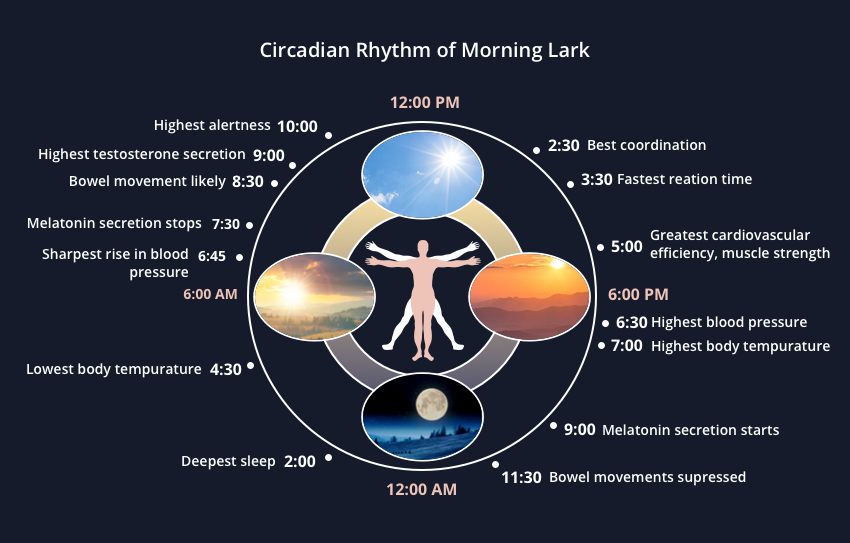
Research shows that deep sleep stages are especially important for energy restoration. In these phases, your body focuses on repairing tissues and building up energy stores. Without enough of this deep sleep, you might wake up feeling groggy, even if you spent hours in bed.
More: Why Do I Feel Tired After Sleeping?
How Sleep Cycles Work
Sleep happens in cycles, each lasting about 90 minutes, and you go through several per night. These cycles include light sleep, deep sleep, and REM (rapid eye movement) sleep. Each part contributes to how refreshed you feel.
Light sleep is the starting point, where your body begins to slow down. It’s transitional, helping you ease into deeper rest. Deep sleep, often called slow-wave sleep, is when energy recovery ramps up. Your heart rate slows, and your body uses less energy, allowing cells to replenish.
REM sleep, which comes later in the cycle, is more active. It’s linked to dreaming and brain functions like memory. While it might not directly boost physical energy, it helps with mental sharpness, which can make you feel more energetic overall.
If your sleep gets interrupted, you might miss out on full cycles. This can lead to feeling tired the next day, as your body hasn’t completed its natural recharge process.
Common Ways Lack of Sleep Drains Energy
Not getting enough sleep can affect energy in several ways. Here are some common factors:
- Hormonal Imbalances: Sleep helps regulate hormones like ghrelin and leptin, which control hunger. Poor sleep might make you crave more food, leading to uneven energy from blood sugar swings.
- Reduced Brain Function: Without proper rest, your brain’s ability to focus and make decisions can drop. This mental fatigue often feels like low energy, even if your body is physically okay.
- Physical Tiredness: Sleep loss can slow down muscle recovery and increase inflammation. Over time, this might make everyday tasks feel more exhausting.
- Mood Impacts: Feeling irritable or down from lack of sleep can sap your motivation, making it harder to stay active and energetic.
These effects can add up, especially if poor sleep becomes a habit. Many people experience this after a few nights of tossing and turning.
Sleep Quality vs. Quantity
It’s not just about how long you sleep—quality matters too. You could sleep for eight hours but still feel drained if the sleep was restless. Quality sleep means spending enough time in deep and REM stages without frequent wake-ups.
Factors like room temperature, noise, or screen time before bed can disrupt quality. For instance, blue light from phones might interfere with melatonin, the hormone that signals it’s time to sleep. This can shorten deep sleep phases, affecting energy the next day.
On the flip side, oversleeping sometimes leads to grogginess, known as sleep inertia. Your body might get thrown off its natural rhythm, making it hard to feel alert.
Studies suggest that consistent sleep patterns help maintain better energy balance. Aiming for the same bedtime and wake time can train your body to expect rest and recovery.
More: Why Lack of Sleep Affects Your Mood: What You Need to Know
Everyday Habits That Link Sleep and Energy
In daily life, sleep and energy are connected through routines. For example, exercise during the day can promote better sleep at night, leading to higher energy levels. But working out too close to bedtime might keep you wired, cutting into rest.
Diet plays a role too. Eating heavy meals late can disrupt sleep, while balanced nutrition supports steady energy. Caffeine or alcohol might seem like quick fixes but can interfere with sleep quality, creating a cycle of low energy.
Stress from work or life can make it hard to fall asleep, then leave you fatigued. Simple habits like winding down with reading or a warm bath might help improve both sleep and daytime vigor.
Many people find that tracking their sleep helps them see patterns. Noticing how certain days lead to better energy can guide small changes in routine.
When It May Be Worth Paying Attention
Sometimes, ongoing low energy despite decent sleep might point to other factors. It could be related to diet, activity levels, or stress. In many cases, adjusting habits helps.
However, if tiredness persists and affects daily life, it may be helpful to consider talking to a healthcare professional. They can check for things like sleep disorders or other health aspects. Remember, this isn’t about diagnosing—it’s just about being aware of your body’s signals.
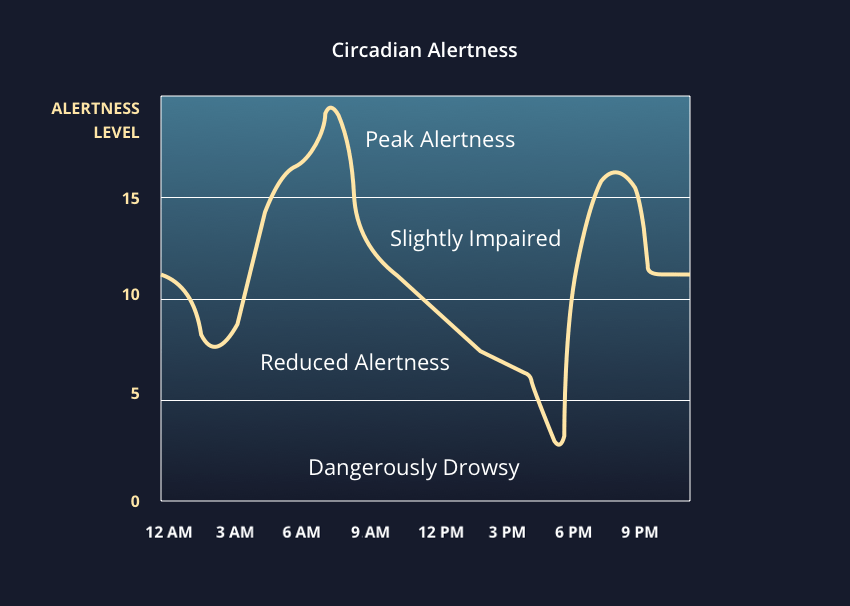
Simple Takeaways for Better Energy
To sum up, here’s what to keep in mind:
- Aim for 7-9 hours of sleep most nights to support energy restoration.
- Focus on sleep quality by creating a calm bedtime environment.
- Notice how daily habits like meals and exercise influence your rest and alertness.
- Be consistent with sleep schedules to help your body recharge effectively.
These points can help you feel more balanced in everyday life.
Wrapping It Up
Understanding how sleep affects energy levels can make a big difference in how you approach your days. By prioritizing rest, you’re giving your body the chance to recover and stay steady. Everyone’s experience is a bit different, so finding what works for you is key to feeling your best.
FAQ
What is the ideal amount of sleep for maintaining energy? Most adults find that 7-9 hours per night helps keep energy levels consistent, but it varies by person.
Can too much sleep lower my energy? Yes, oversleeping can sometimes lead to feeling sluggish, as it might disrupt your natural sleep cycles.
How does diet affect sleep and energy? Balanced meals can promote better sleep, while heavy or caffeinated foods close to bedtime might interfere, leading to lower energy the next day.
Why do I feel more energetic after a good night’s sleep? Good sleep allows your body to restore energy stores and regulate hormones, helping you feel alert and ready for the day.
When should I seek help for low energy related to sleep? If low energy persists despite good sleep habits, it might be worth discussing with a doctor to rule out underlying issues.