
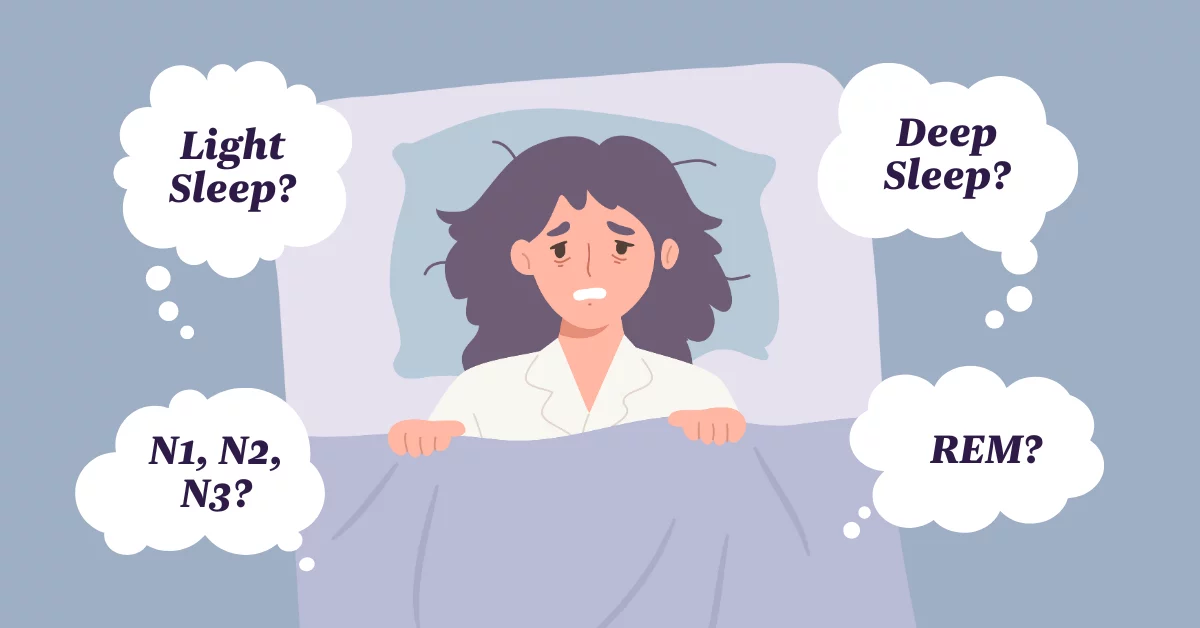
Have you ever woken up feeling refreshed one day and groggy the next, wondering what goes on while you’re asleep? Sleep isn’t just a single block of rest—it’s a series of cycles that your body goes through each night. In this guide, we’ll break down how sleep cycles work in a straightforward way, so you can better understand your nightly routine.
What Are Sleep Cycles?
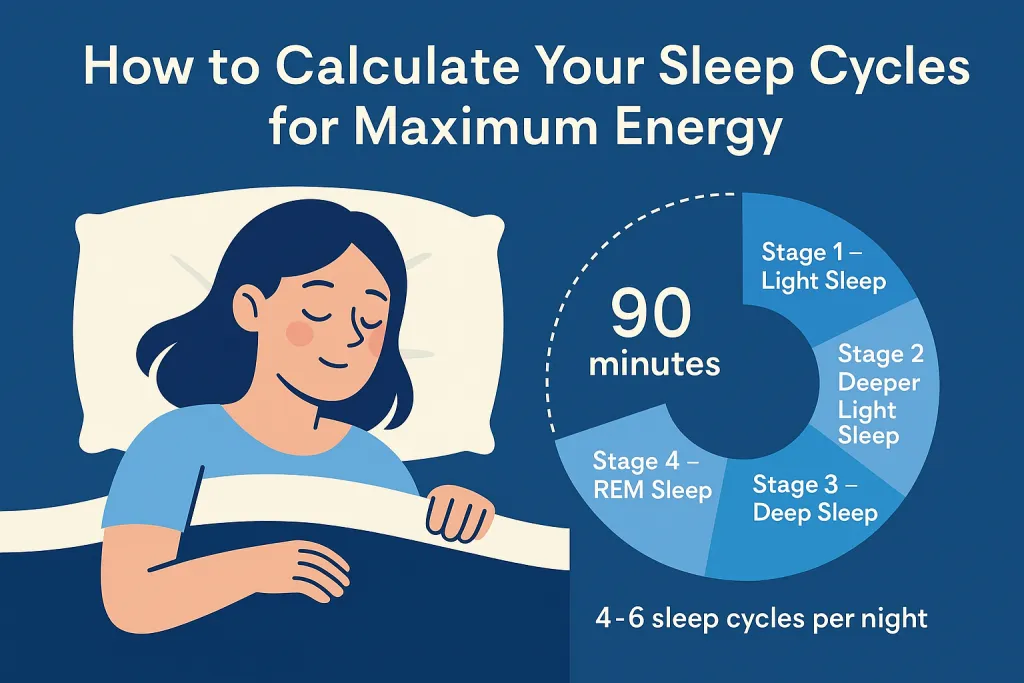
Sleep cycles are the patterns your body follows during a night of rest. Each cycle lasts about 90 to 110 minutes and includes different stages that help your body recover and recharge. These cycles repeat several times throughout the night, usually four to six times for most adults.
Think of it like chapters in a book—each one builds on the last to create a full story of rest. Without these cycles running smoothly, you might not feel as alert during the day.
The Stages of Non-REM Sleep
Sleep cycles are divided into two main types: non-REM (NREM) and REM sleep. Non-REM makes up the bulk of your sleep, especially early in the night, and it’s where a lot of physical restoration happens.
Stage 1: The Drift-Off Phase
This is the lightest stage, lasting just a few minutes as you transition from being awake to asleep. Your heartbeat slows, muscles relax, and brain waves start to ease up. It’s easy to wake from this stage, like when a noise jolts you back to awareness.
In many cases, people experience brief muscle twitches or a sensation of falling, which is completely normal.
Stage 2: Light Sleep
Here, you’re truly asleep, but it’s still on the lighter side. This stage takes up about half of your total sleep time. Your body temperature drops, eye movements stop, and brain activity slows with occasional bursts called sleep spindles.
These spindles may help with memory processing and learning from the day. It’s a key part of preparing for deeper rest.
More: Waking Up Tired? Common Reasons You Feel Exhausted in the Morning
Stage 3: Deep Sleep
Also known as slow-wave sleep, this is the deepest non-REM stage. It’s harder to wake up from, and if you do, you might feel disoriented. Your body focuses on repair—building tissues, strengthening the immune system, and releasing growth hormones.
Deep sleep often happens more in the first half of the night and is crucial for feeling rested.
The REM Sleep Stage
After the non-REM stages, you enter REM sleep, which stands for rapid eye movement. This usually starts about 90 minutes after falling asleep and gets longer with each cycle.
During REM, your brain becomes very active, almost like when you’re awake. Your eyes dart back and forth under closed lids, heart rate picks up, and breathing quickens. This is when most vivid dreaming occurs.
REM may play a role in emotional processing and consolidating memories. It’s often more prominent in the later part of the night.
How Sleep Cycles Progress Through the Night
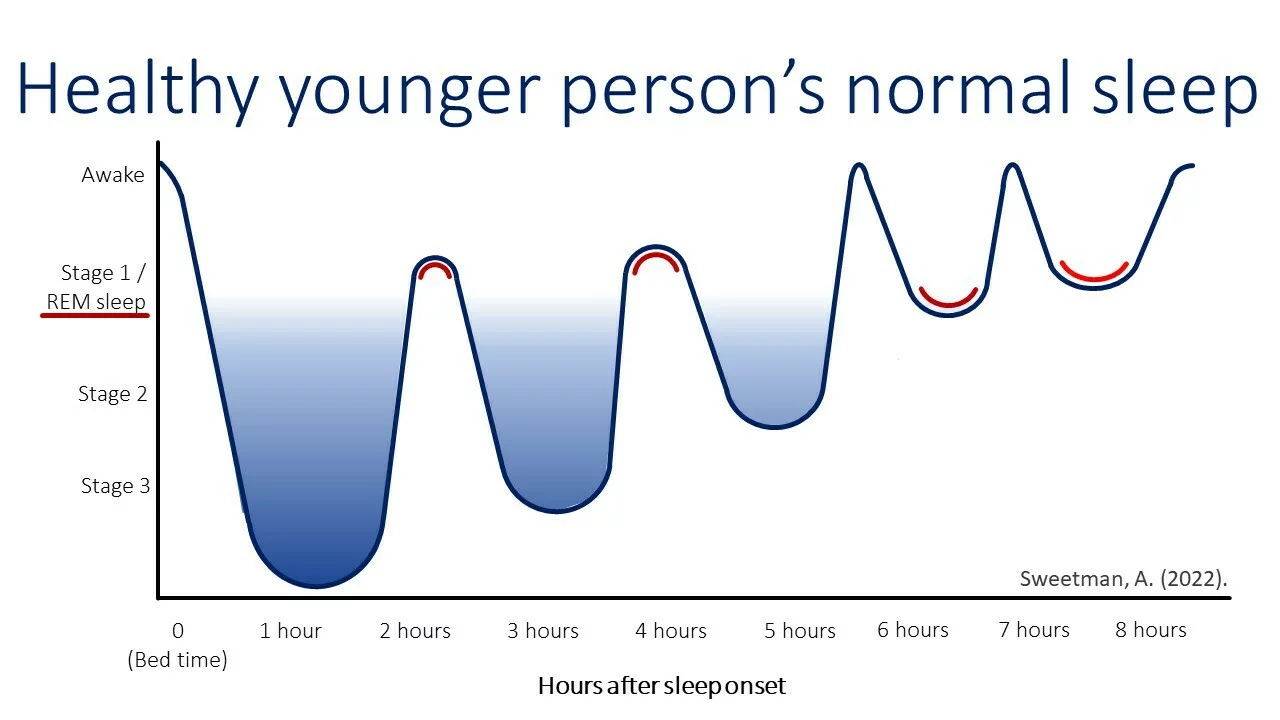
A typical night starts with non-REM stages, moving from light to deep sleep, then into REM. The first cycle might have shorter REM, but as the night goes on, REM periods lengthen while deep sleep shortens.
You might briefly wake between cycles, but usually, you don’t remember it. Factors like age can change this—babies have more REM, while older adults may have lighter, more fragmented sleep.
In everyday life, this progression helps explain why going to bed at a consistent time can lead to better rest. Disruptions, like alarms cutting into a cycle, can leave you feeling off.
Why Sleep Cycles Matter in Daily Life
Understanding sleep cycles can shed light on your daily habits. For instance, if you cut sleep short, you might miss out on later REM cycles, which could affect mood or focus the next day.
In routine terms, think about how caffeine late in the day might delay your first cycle, or how exercise can promote deeper stages. It’s all connected to how you feel during waking hours.
Simple adjustments, like dimming lights before bed, can support natural cycle flow without much effort.
Factors That Can Affect Your Sleep Cycles
Many things influence how your cycles unfold. Stress might shorten deep sleep, while a cool, dark room can enhance it. Alcohol can suppress REM, leading to less restorative rest.
Aging naturally shifts cycles, with less deep sleep over time. Even diet plays a part—heavy meals close to bedtime may interrupt the process.
Being aware of these can help you make small changes for smoother nights.
When Should You Consider Professional Help?
Sleep cycles usually run on their own, but sometimes patterns change in ways that disrupt daily life. If you often wake up tired despite enough hours in bed, or notice ongoing issues like frequent night awakenings, it may be worth talking to a doctor.
This could relate to things like sleep apnea or insomnia, but remember, this article isn’t for diagnosis. A professional can offer personalized insights if simple habits don’t help.
Always prioritize your well-being without jumping to conclusions.
More: Is It Normal to Feel Tired All Day?
Simple Takeaways for Better Understanding
- Sleep cycles last 90-110 minutes and include non-REM and REM stages.
- Non-REM focuses on body repair, while REM aids brain functions like memory.
- Aim for consistent sleep times to let cycles complete naturally.
- Small daily tweaks can support healthier cycles without overcomplicating things.
These points can help you appreciate your rest more.
Gentle Conclusion
Sleep cycles are a natural part of how your body refreshes itself each night. By knowing the basics, you can see why good rest matters in everyday life. It’s all about balance, and with a bit of awareness, you can support your own patterns for more energized days.
FAQ
What is a sleep cycle? A sleep cycle is a sequence of stages your body goes through during sleep, typically lasting 90 to 110 minutes, including non-REM and REM phases.
How many sleep cycles do you need per night? Most adults go through four to six cycles in a full night’s sleep to feel rested.
What happens if sleep cycles are disrupted? Disruptions might lead to feeling less refreshed, but simple routines often help smooth them out.
Why does REM sleep increase later at night? As the night progresses, REM periods lengthen, which may support emotional and memory processing.
Can you improve your sleep cycles? Yes, consistent bedtime, a calm environment, and avoiding screens can often promote better cycle flow.