

Many people in the U.S. wake up feeling rested but find their energy fading quickly as the day goes on, leaving them wondering if constant tiredness is just a part of modern life. While it’s common to feel worn out after a long day or poor night’s sleep, experiencing fatigue that lasts all day, every day, isn’t usually considered normal and may stem from various lifestyle or health factors. This article will break down possible explanations for this ongoing tiredness, how it connects to everyday habits, and signs that might suggest paying closer attention, all in a straightforward way to help you understand your own experiences better.
Understanding Fatigue: What Does It Mean to Feel Tired All Day?
Fatigue is more than just feeling sleepy; it’s a sense of exhaustion that can make even simple tasks feel overwhelming, often affecting concentration, mood, and overall well-being. People describe it as a constant drag, where no amount of coffee seems to help, and it differs from the temporary tiredness that follows a busy schedule or late night.
In many cases, this all-day tiredness goes beyond occasional dips in energy and can linger for days or weeks. Experts note that while brief periods of fatigue are part of life, persistent feelings of being tired may signal that something in your routine or body needs attention. It’s helpful to think of fatigue as a symptom rather than a condition itself, much like a check-engine light in a car indicating various possible issues.
This ongoing tiredness can show up in different ways, such as needing multiple naps, struggling to stay alert at work, or feeling mentally foggy. Understanding the difference between normal tiredness—like after exercise or a demanding day—and chronic fatigue is key, as the latter often doesn’t improve with rest alone.
Common Reasons Why You Might Feel Tired All Day
There are several everyday factors that can contribute to feeling drained throughout the day. These range from how you sleep and eat to broader health aspects. Below, we’ll look at some of the most common ones, explained in simple terms.
More: Why Do I Wake Up Tired?
Lack of Quality Sleep
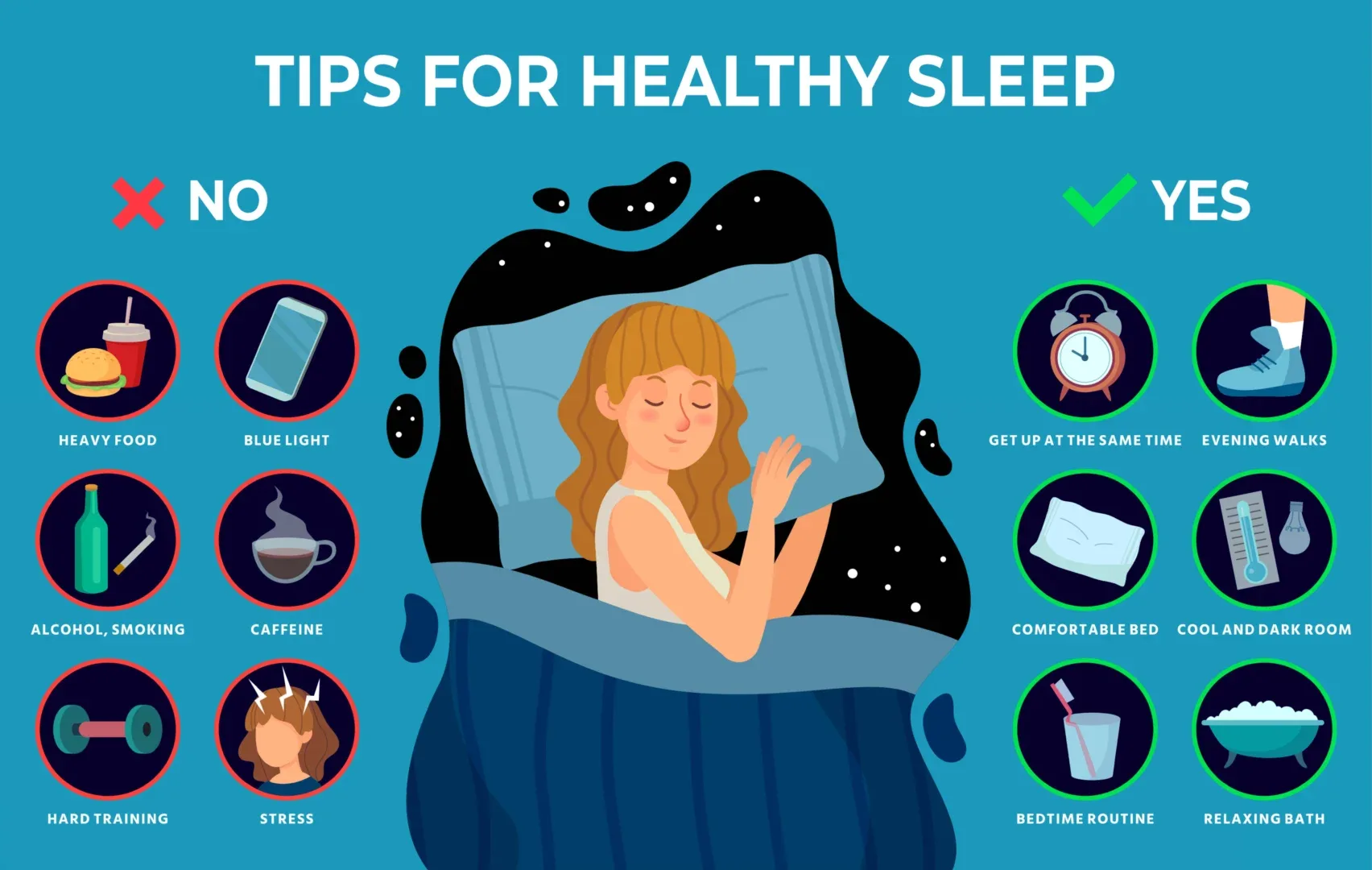
One of the most frequent contributors to all-day tiredness is not getting enough good sleep. Adults generally need 7 to 9 hours per night, but it’s not just about the quantity—quality matters too. Things like irregular sleep schedules, screen time before bed, or a noisy environment can disrupt rest, leading to that groggy feeling the next day.
For instance, conditions like sleep apnea, where breathing pauses during sleep, can prevent deep rest, causing daytime fatigue even if you think you’ve slept enough. Similarly, habits such as consuming caffeine late in the day or inconsistent bedtimes can build up over time, making tiredness a daily norm.
Many people don’t realize how fragmented sleep affects energy levels, turning what should be restorative time into something less effective.
Diet and Nutrition Choices
What you eat plays a big role in how energetic you feel. Skipping meals, relying on sugary snacks, or not getting enough nutrients can lead to energy crashes. For example, diets low in iron, vitamin B12, or vitamin D might contribute to fatigue, as these help with oxygen transport and energy production in the body.
Dehydration is another often-overlooked factor; even mild fluid loss can make you feel sluggish. Eating patterns like heavy meals or inconsistent timing can also disrupt blood sugar levels, resulting in ups and downs that leave you tired.
In everyday terms, if your meals are unbalanced—say, too many processed foods and not enough whole grains, proteins, or veggies—it might not provide the steady fuel needed for a full day.

More: Why Do I Feel Tired After Sleeping?
Physical Activity Levels
It might seem counterintuitive, but too little movement can actually increase feelings of tiredness. Regular activity helps improve circulation and sleep quality, which in turn boosts energy. On the flip side, overdoing it without recovery time can lead to exhaustion.
Sedentary lifestyles, common in desk jobs, can contribute to this, as the body isn’t getting the stimulation it needs to maintain alertness. Finding a balance is often key, where moderate exercise like walking can help without overwhelming the system.
Stress and Mental Health Factors
Stress from work, relationships, or daily pressures can wear you down over time, leading to mental and physical fatigue. Conditions like anxiety or depression are linked to constant tiredness, as they can affect sleep and motivation.
Grief or ongoing emotional strain might also play a part, making it hard to feel energized. In many cases, the mind-body connection means that unresolved stress keeps the body in a heightened state, using up energy reserves.
Underlying Health Conditions
Sometimes, all-day tiredness relates to health issues that aren’t immediately obvious. Things like anemia (low red blood cells), thyroid problems (underactive or overactive), or chronic conditions such as diabetes or heart disease can cause persistent fatigue.
Infections, medications, or even allergies might contribute as well. For example, hypothyroidism can slow metabolism, leading to sluggishness, while sleep disorders like insomnia exacerbate the issue. It’s worth noting that these are general possibilities and vary from person to person.
Everyday Context: How Daily Habits Contribute to Tiredness
In the hustle of American life, with long work hours, commuting, and family responsibilities, it’s easy for tiredness to creep in. Screen time from phones and computers can interfere with natural sleep cycles by suppressing melatonin, the hormone that signals bedtime.
Busy schedules often lead to quick, less nutritious meals or skipped exercise, creating a cycle where low energy leads to more inactivity. Seasonal changes, like shorter winter days, might affect mood and energy through less sunlight exposure.
Even positive activities, such as parenting or hobbies, can add up if not balanced with downtime. Understanding how these routines interplay can shed light on why tiredness feels constant in normal, everyday scenarios.
When It May Be Worth Paying Attention
While occasional tiredness is part of life, if you feel exhausted all day for weeks on end, it may be related to something more ongoing. This could include times when fatigue comes with other changes, like unexplained weight shifts, persistent pain, or mood alterations.
In some cases, it might align with symptoms of conditions like sleep apnea or nutrient deficiencies, but remember, this is general information. If tiredness impacts daily functioning or is accompanied by serious signs such as chest pain or shortness of breath, it can sometimes be helpful to consider discussing it with a healthcare professional.
Always approach this calmly—many factors are manageable, and awareness is the first step.
Simple Takeaways
- Prioritize sleep consistency: Aim for regular bedtimes to help regulate energy.
- Check your plate: Balanced meals with nutrients can support steady energy levels.
- Move a bit more: Gentle activity often helps combat sluggishness.
- Manage stress: Small breaks or relaxation techniques may ease mental drain.
- Listen to your body: Persistent tiredness might hint at needing adjustments.
These are broad ideas based on common patterns, not personalized suggestions.
Gentle Conclusion
Feeling tired all day is a complaint many people share, often tied to the demands of daily life or subtle health factors. By recognizing potential contributors like sleep, diet, or stress, you can gain a clearer picture of your own situation. Remember, everyone’s experience is unique, and this information is meant to inform rather than diagnose. If it resonates, reflecting on your habits might bring some clarity, helping you navigate your days with a bit more ease.