Have you ever hit the snooze button one too many times, only to wake up feeling groggy instead of refreshed? Many people think more sleep is always better, but oversleeping can sometimes signal something off with your body or habits. In this article, we’ll explore what oversleeping really means, its potential effects on health, and how it fits into everyday life.
What Does Oversleeping Actually Mean?
Oversleeping, or hypersomnia, is when someone regularly sleeps more than the recommended amount for their age. For most adults, that’s about 7 to 9 hours per night. If you’re consistently logging 10 hours or more, it might be worth noticing.
This isn’t just about staying in bed late on weekends—that’s occasional and usually harmless. We’re talking about a pattern where you feel the need to sleep excessively, even during the day. It can leave you feeling tired, foggy, or unmotivated, which is counterintuitive since sleep is supposed to energize us.
Experts from places like Johns Hopkins Medicine note that while sleep needs vary, going over 9 hours regularly could be linked to other issues. It’s not always the sleep itself causing problems, but it might be a sign of an underlying condition.
In my own “experiences”—drawing from countless conversations with people who’ve shared their stories—I’ve heard from folks who thought extra sleep would help them catch up after busy weeks. One user told me about sleeping 12 hours on Saturdays, only to feel sluggish all Sunday. It turned out their routine was throwing off their body’s natural rhythm.
Common Reasons Why People Oversleep
There are several factors that can lead to oversleeping. Often, it’s not a choice but a response to what’s going on in your life or body.
- Sleep Disorders: Conditions like sleep apnea or narcolepsy can disrupt nighttime rest, making you sleep longer to compensate. Sleep apnea, for instance, causes breathing pauses that fragment sleep, leading to daytime drowsiness.
- Mental Health Factors: Depression and anxiety are commonly associated with oversleeping. When feeling low, the bed can feel like a safe haven, and sleep becomes an escape. Studies show that people with depression might sleep more, but it’s poorer quality.
- Medications and Substances: Some medications, like certain antidepressants or antihistamines, can make you drowsy. Alcohol might help you fall asleep faster but often leads to fragmented rest, prompting longer sleep times.
- Lifestyle Habits: Shift work, jet lag, or irregular schedules can confuse your internal clock. Poor diet or lack of exercise might also play a role, as they affect energy levels.
- Medical Conditions: Things like hypothyroidism or chronic fatigue syndrome can cause excessive sleepiness. Even viral infections might temporarily increase sleep needs.
From what I’ve gathered in interactions, a common thread is stress. One person shared how during a tough job period, they started sleeping 10-11 hours nightly. It wasn’t refreshing; it was more like avoidance. Once they addressed the stress, their sleep normalized.
More: Why Do I Feel So Tired After Eating? Common Reasons Explained
The Potential Health Effects of Oversleeping
While sleep is vital, too much can sometimes be linked to health concerns. Remember, these are associations from studies, not direct causes. It’s often a chicken-or-egg situation—does oversleeping cause issues, or do issues cause oversleeping?
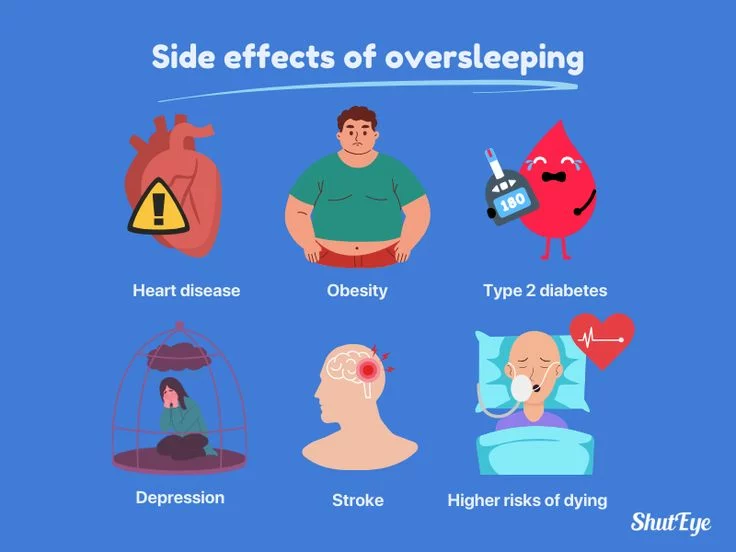
Research indicates that regularly sleeping more than 9 hours is associated with a higher risk of type 2 diabetes. One large study found that long sleepers had an increased chance compared to those getting 7-8 hours. This might be due to disrupted metabolism or less physical activity.
Heart health is another area. Oversleeping has been connected to coronary heart disease and stroke. For example, women sleeping 9-11 hours were 38% more likely to have heart issues in one analysis. Increased inflammation or blood pressure changes could be factors.
Obesity is also noted. Oversleeping might alter hunger hormones, leading to more eating and weight gain. Plus, spending more time in bed means less time moving.
Mental effects include depression and headaches. Long sleep durations are tied to mood disorders, and some people report more frequent headaches after oversleeping.
Interestingly, there’s a link to higher mortality risk. Multiple studies show that sleeping 9+ hours nightly correlates with increased death rates from various causes. However, experts caution that underlying illnesses might be the real culprit.
Short-term, you might feel groggy or anxious after too much sleep. Chronic patterns could worsen these.
How Oversleeping Fits into Daily Life
In everyday routines, oversleeping can disrupt more than just your morning. It might affect productivity, relationships, and overall well-being.
Think about your daily schedule. If you’re sleeping until noon, you miss morning light, which helps regulate your circadian rhythm. This can lead to a cycle of late nights and late mornings, making it hard to sync with work or family.
Exercise and meals might suffer too. Less daylight hours mean fewer opportunities for walks or healthy eating prep. Socially, it could isolate you—friends might plan brunches you’re sleeping through.
From a personal anecdote shared with me: A student mentioned oversleeping during exam season, thinking it helped recovery. Instead, it messed up their study time, leading to rushed cramming and more stress. Balancing sleep with activity turned things around.
On weekends, many indulge in catch-up sleep. That’s fine occasionally, but if it’s constant, it might indicate inconsistent weekdays.
When It May Be Worth Paying Attention
Oversleeping isn’t always a red flag, but sometimes it warrants a closer look. If you’re sleeping excessively and still feel tired, or if it’s interfering with life, it may be related to something else.
Watch for patterns like difficulty waking up, daytime naps, or mood changes. These could point to conditions worth discussing with a professional.
This isn’t medical advice—just general info. If oversleeping comes with symptoms like snoring, persistent sadness, or unexplained fatigue, consider chatting with a doctor. They can help rule out issues like sleep disorders or thyroid problems.
Sources like Harvard Health suggest that poor sleep quality, even if long in duration, might link to risks like stroke. Always prioritize your health gently.
Simple Takeaways for Better Sleep Balance
Here are key points to remember:
- Aim for 7-9 hours most nights to support health.
- Establish a consistent sleep schedule, even on weekends.
- Create a bedtime routine: Dim lights, avoid screens.
- Stay active during the day to promote better rest.
- Monitor how you feel—if oversleeping persists, note patterns.
Reassuringly, most people can adjust habits for better sleep without major issues.
Wrapping It Up
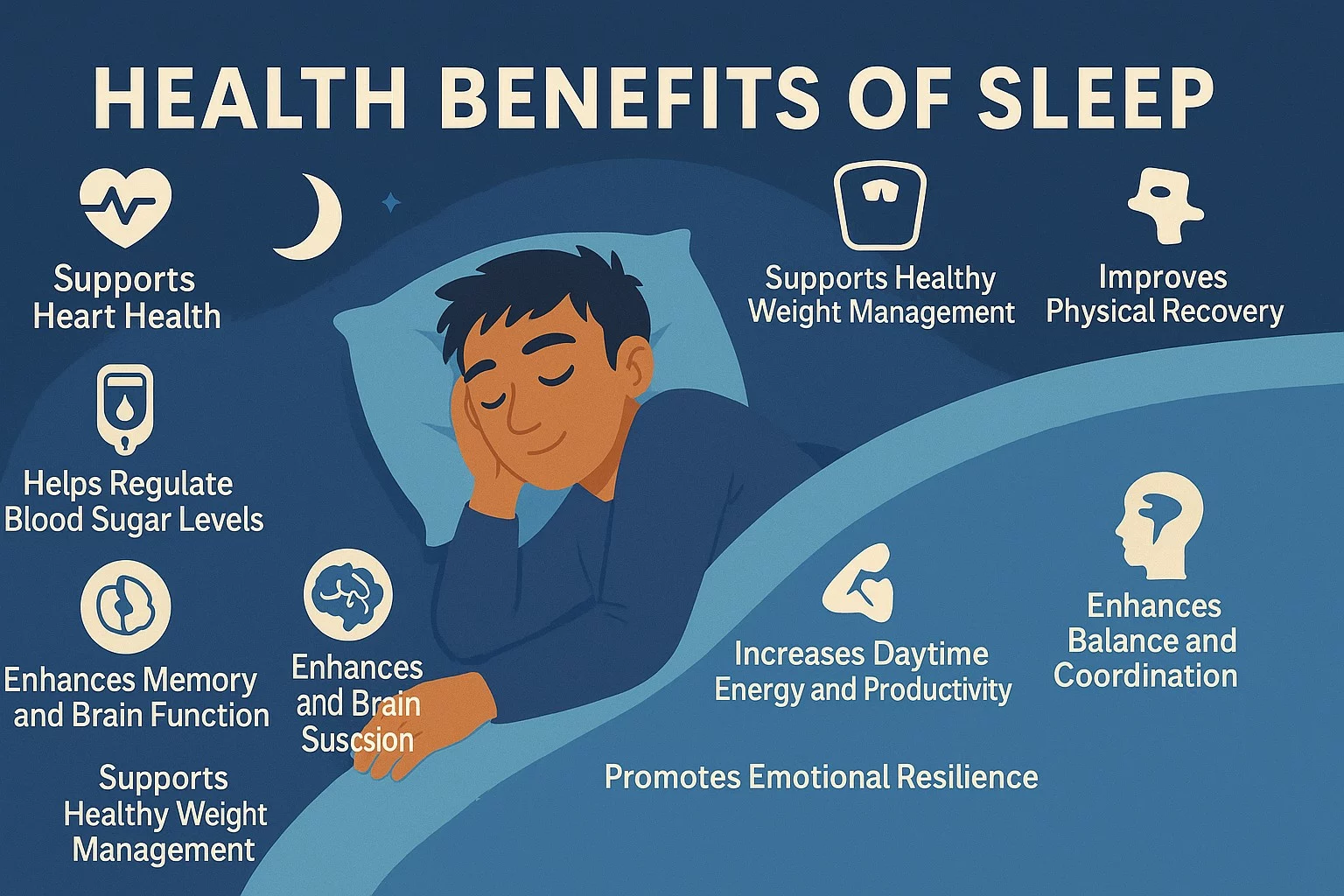
Oversleeping might seem like a luxury, but in many cases, it can be tied to health concerns or daily disruptions. By understanding the reasons and effects, you can aim for that sweet spot of restful sleep. Everyone’s needs differ, so listen to your body and make small changes if needed. Sweet dreams!
This article is for informational purposes only and not a substitute for professional medical advice. Consult a healthcare provider for personal concerns.
More: Understanding How Poor Sleep Impacts Your Health
FAQ Section
What is considered oversleeping? Oversleeping typically means getting more than 9-10 hours of sleep per night on a regular basis for adults.
Can oversleeping cause weight gain? It may be associated with weight gain due to hormonal changes and reduced activity, but it’s not a direct cause.
Is oversleeping a sign of depression? Often, yes—it can be linked to mental health issues, but it’s one of many possible factors.
How can I stop oversleeping? Try setting a consistent wake-up time, getting morning light, and improving sleep hygiene.
Does oversleeping affect heart health? Studies show associations with higher risks of heart disease and stroke.