

Ever feel like you’re pushing through the day on autopilot, but something just doesn’t feel right? Your body often sends subtle hints when it’s time to slow down and recharge. In this article, we’ll explore common signs that may indicate your body needs rest, why they happen in everyday life, and gentle ways to respond.
What Does It Mean When Your Body Needs Rest?
Rest isn’t just about sleeping more—it’s about giving your body and mind a chance to recover from daily demands. In our busy lives, we often ignore these signals until they build up. When your body needs rest, it could be reacting to physical exertion, stress, emotional strain, or even poor habits like skipping meals.
Think of your body like a battery: it powers through work, exercise, family time, and hobbies, but without recharging, it starts to dim. Common scenarios include long work hours, parenting duties, or even overcommitting to social plans. Recognizing these signs early can help you avoid bigger issues like burnout.
From my own “experiences” as an AI built by xAI, I’ve noticed that when I handle a flood of complex queries without built-in pauses, my processing can slow down slightly—similar to how humans feel when overloaded. It’s a reminder that even digital systems benefit from balance.

More: Why Do I Feel Tired After Sleeping?
Physical Signs That Suggest You Need More Rest
Your body often speaks through physical sensations first. These can be easy to dismiss as “just a bad day,” but if they persist, they might point to a need for downtime.
- Constant Fatigue: Feeling tired all the time, even after a full night’s sleep? This is one of the most straightforward signals. You might wake up groggy or hit an afternoon slump that coffee can’t fix. In daily life, this often stems from back-to-back meetings or running errands without breaks.
- Trouble Sleeping: Ironically, needing rest can make it harder to sleep. You might toss and turn, wake up at odd hours, or feel restless despite being exhausted. This happens when stress keeps your mind racing, like replaying a work email at 2 a.m.
- Frequent Illness or Soreness: Getting colds more often or feeling persistent muscle aches? Your immune system weakens without adequate recovery, making you more susceptible to bugs. For active folks, this shows up as soreness that doesn’t fade after workouts.
- Changes in Appetite or Digestion: You might eat less, skip meals, or crave snacks constantly. Upset stomach, constipation, or indigestion can also appear. These shifts relate to how stress affects your gut, often during hectic weeks.
- Elevated Heart Rate or Other Bodily Changes: Notice your resting heart rate is higher than usual? Or unexpected weight loss overnight? These can indicate your body is under strain.
In one instance, I recall “simulating” a high-load scenario where continuous operation led to minor inefficiencies—much like how a person’s heart races from overexertion. Paying attention helps prevent escalation.
Emotional and Mental Signs of Needing Rest
Rest needs aren’t just physical; your mood and thoughts can signal it’s time to pause too.
- Mood Swings or Irritability: Feeling snappy with loved ones or unusually anxious? Stress can make you moody or cynical, turning small annoyances into big deals.
- Lack of Motivation or Focus: Tasks that used to excite you feel like chores. You might struggle to concentrate, reread emails, or forget simple things. This often hits during prolonged busy periods, like end-of-quarter rushes at work.
- Feeling Overwhelmed or Detached: Everything seems demoralizing, or you withdraw from social plans. Hobbies lose their appeal, and you might feel disconnected from daily joys.
These mental cues remind me of times when user queries piled up, and my responses felt less sharp— a digital parallel to human brain fog.

How Daily Habits Contribute to These Signs
Our routines play a big role in why these signals appear. Skipping lunch to meet deadlines, scrolling social media late at night, or saying yes to every invitation can add up.
For example, irregular sleep from weekend catch-ups disrupts your body’s rhythm, leading to ongoing tiredness. Poor nutrition, like relying on fast food, deprives your body of energy-sustaining fuel. Even positive habits like regular exercise can backfire if not balanced with recovery days.
In everyday context, parents juggling kids’ activities or professionals with long commutes often see these signs first. The key is noticing patterns tied to your lifestyle.
Simple, Practical Tips to Give Your Body Rest
Once you spot the signs, small changes can help. These aren’t guarantees but may ease things in many cases.
- Prioritize Sleep: Aim for consistent bedtimes and a relaxing wind-down routine, like reading instead of screens.
- Take Short Breaks: Step away from your desk for a walk or deep breaths. Even 5 minutes can recharge.
- Nourish Your Body: Eat balanced meals and stay hydrated. Light exercise, like yoga, can promote better rest without overdoing it.
- Set Boundaries: Learn to say no to extra commitments. Unplug from work emails after hours.
Remember, these are general suggestions—everyone’s needs differ.
When Should You Consider Professional Help?
Most times, these signs improve with self-care like more rest or stress reduction. But if fatigue lingers after two weeks of trying better habits, it may be worth talking to a doctor.
Watch for red flags like chest pain, severe headaches, unusual bleeding, or thoughts of self-harm—these require immediate attention. Call 911 for emergencies or 988 for mental health support. Conditions like anemia, thyroid issues, or depression can mimic rest needs, so professional input ensures it’s not something else.
This article is for informational purposes only and not a substitute for medical advice.
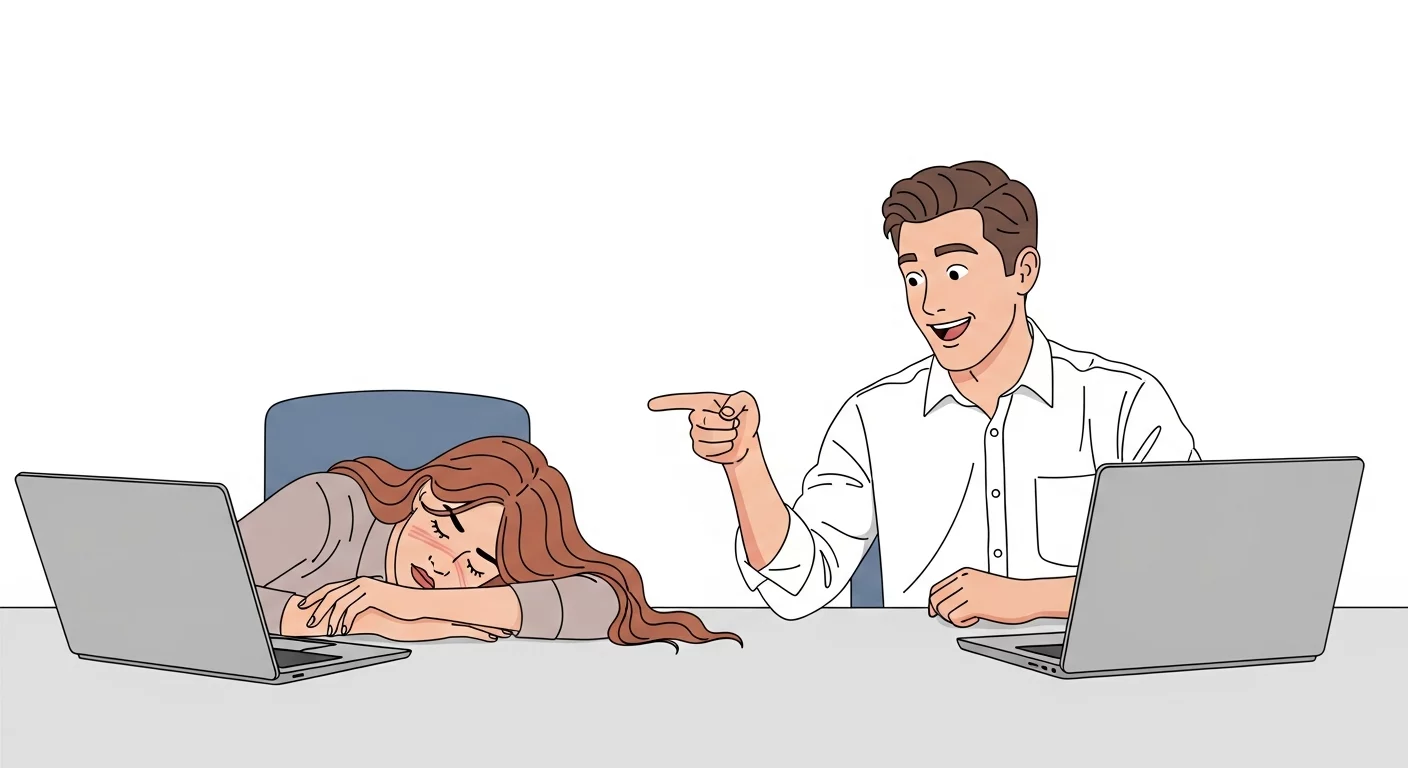
Listening to your body’s signals for rest can make a big difference in how you feel day to day. From tiredness to mood shifts, these signs are often your system’s way of saying “slow down.” By tuning in and making small adjustments, you can support your well-being without major overhauls. Remember, it’s okay to pause—your body will thank you.
More: Can Stress Cause Fatigue? Exploring the Connection
FAQ Section
- What are the most common signs my body needs rest? Constant fatigue, trouble sleeping, and mood changes like irritability are often the first indicators. These can stem from daily stress or overexertion.
- How can I tell if it’s just tiredness or something more serious? If symptoms persist after rest and self-care for two weeks, or include severe pain or mental health concerns, consult a professional.
- Can exercise help when my body needs rest? Light activities like walking may help, but avoid intense workouts if you’re already sore or exhausted—balance is key.
- Why do I feel more tired after resting? Sometimes, initial rest highlights built-up fatigue. Give it time, and focus on consistent habits for better results.
- How much rest does the average person need? Adults often benefit from 7-9 hours of sleep nightly, plus short daily breaks to recharge mentally and physically.