

Have you ever tossed and turned at night, wondering why sleep feels so elusive? Many people face this common challenge in their busy lives. This article explores simple habits that can help improve your sleep quality, making it easier to fall asleep and wake up feeling refreshed.
Why Good Sleep Matters
Sleep is a fundamental part of our daily lives, yet it’s often overlooked until we start feeling its absence. Good sleep helps our bodies repair, supports mental clarity, and boosts overall well-being. Without enough rest, we might feel irritable, have trouble concentrating, or even notice impacts on our physical health over time.
In my own experience, there was a period when work stress kept me up late into the night. I found myself scrolling through my phone endlessly, which only made things worse. Once I started paying attention to my sleep habits, I noticed a real difference in how energized I felt during the day. It’s amazing how small changes can add up.
Experts often talk about sleep hygiene, which is basically a set of practices that promote better rest. This isn’t about drastic overhauls but rather incorporating easy routines that align with how our bodies naturally wind down.
Common Factors That Affect Sleep
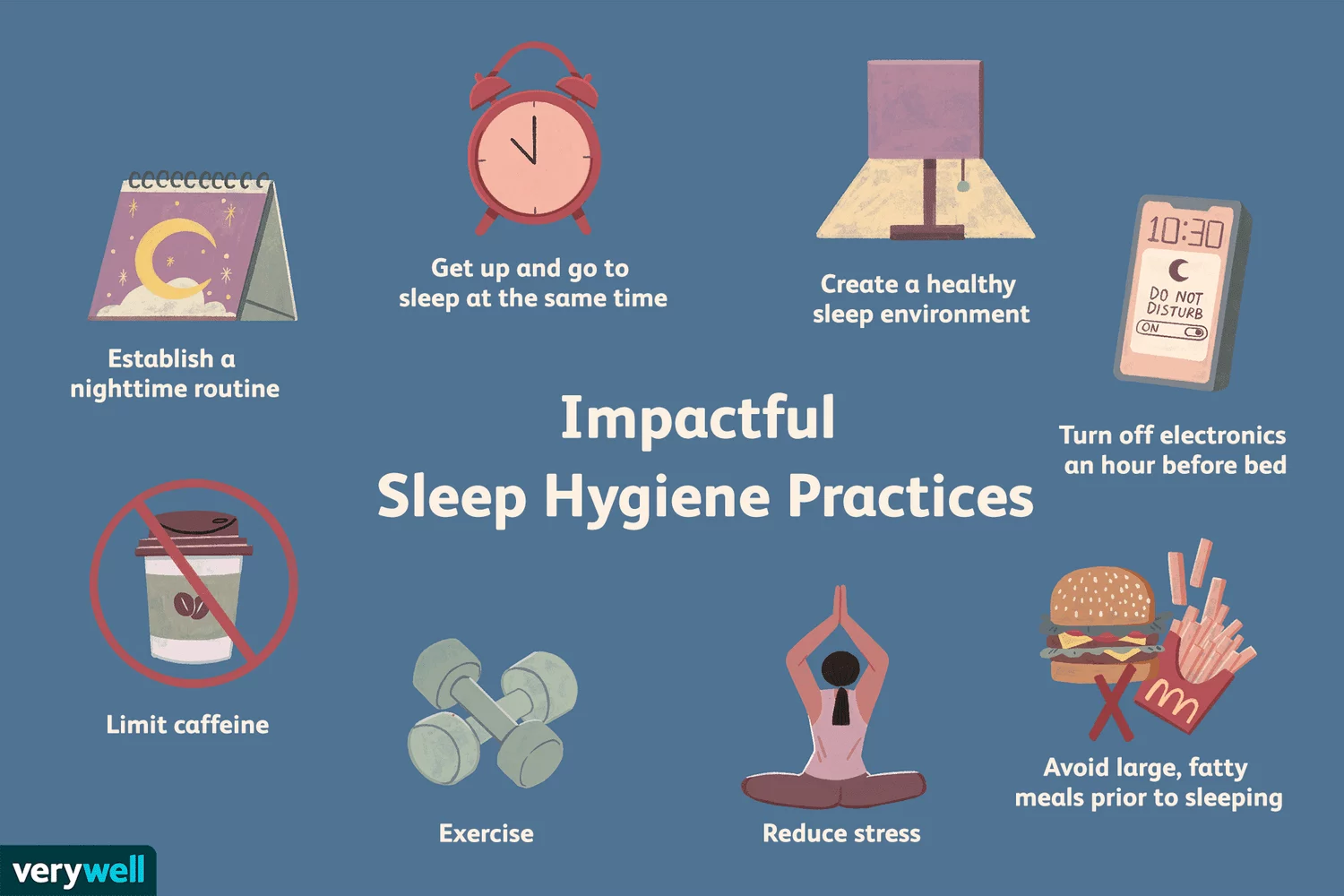
Many everyday elements can interfere with getting a good night’s sleep. Understanding these can help you identify what might be holding you back.
Stress and worry often top the list. When our minds are racing with thoughts about work, family, or daily tasks, it can be hard to relax. Caffeine from coffee or tea, especially later in the day, can linger in your system and keep you alert when you want to unwind.
Irregular schedules, like varying bedtimes or wake-up times, confuse your body’s internal clock. Screen time before bed exposes us to blue light, which can suppress the hormone that makes us sleepy. Even things like a noisy environment or an uncomfortable mattress play a role.
From my perspective, I remember how shifting to remote work disrupted my routine. Staying up late for “just one more email” led to fragmented sleep. Recognizing these patterns was the first step toward making adjustments.
More: How Caffeine Affects Your Sleep: What You Need to Know
Building a Consistent Sleep Schedule
One of the simplest habits for better sleep is sticking to a regular schedule. Going to bed and waking up at the same time every day, even on weekends, helps regulate your body’s circadian rhythm.
Start by picking a bedtime that allows for 7-9 hours of sleep, which is what most adults need. If you’re used to late nights, gradually shift your schedule by 15 minutes earlier each day until you reach your goal.
This habit can feel challenging at first, but consistency pays off. In my case, setting a fixed wake-up time with an alarm helped me avoid the temptation to sleep in, and over time, I naturally felt tired at bedtime.
Creating a Relaxing Bedtime Routine
A calming routine signals to your body that it’s time to slow down. This could include activities like reading a book, taking a warm bath, or practicing gentle stretches.
Avoid stimulating tasks right before bed, such as intense exercise or heated discussions. Instead, opt for something soothing. Many find journaling helpful to offload thoughts from the day.
Personally, I incorporated a short meditation session into my evenings. At first, it was just five minutes of deep breathing, but it helped quiet my mind and made falling asleep much easier.
Managing Screen Time and Light Exposure
Screens from phones, TVs, and computers emit blue light that can trick your brain into thinking it’s daytime. Try to limit exposure at least an hour before bed.
Use features like night mode on devices to reduce blue light, or consider blue-light-blocking glasses. Keeping your bedroom dark with blackout curtains can also enhance sleep quality.
I recall how dimming the lights in my living room an hour before bed became a game-changer. It created a cozy atmosphere that naturally led to drowsiness, without me forcing it.
Watching What You Eat and Drink
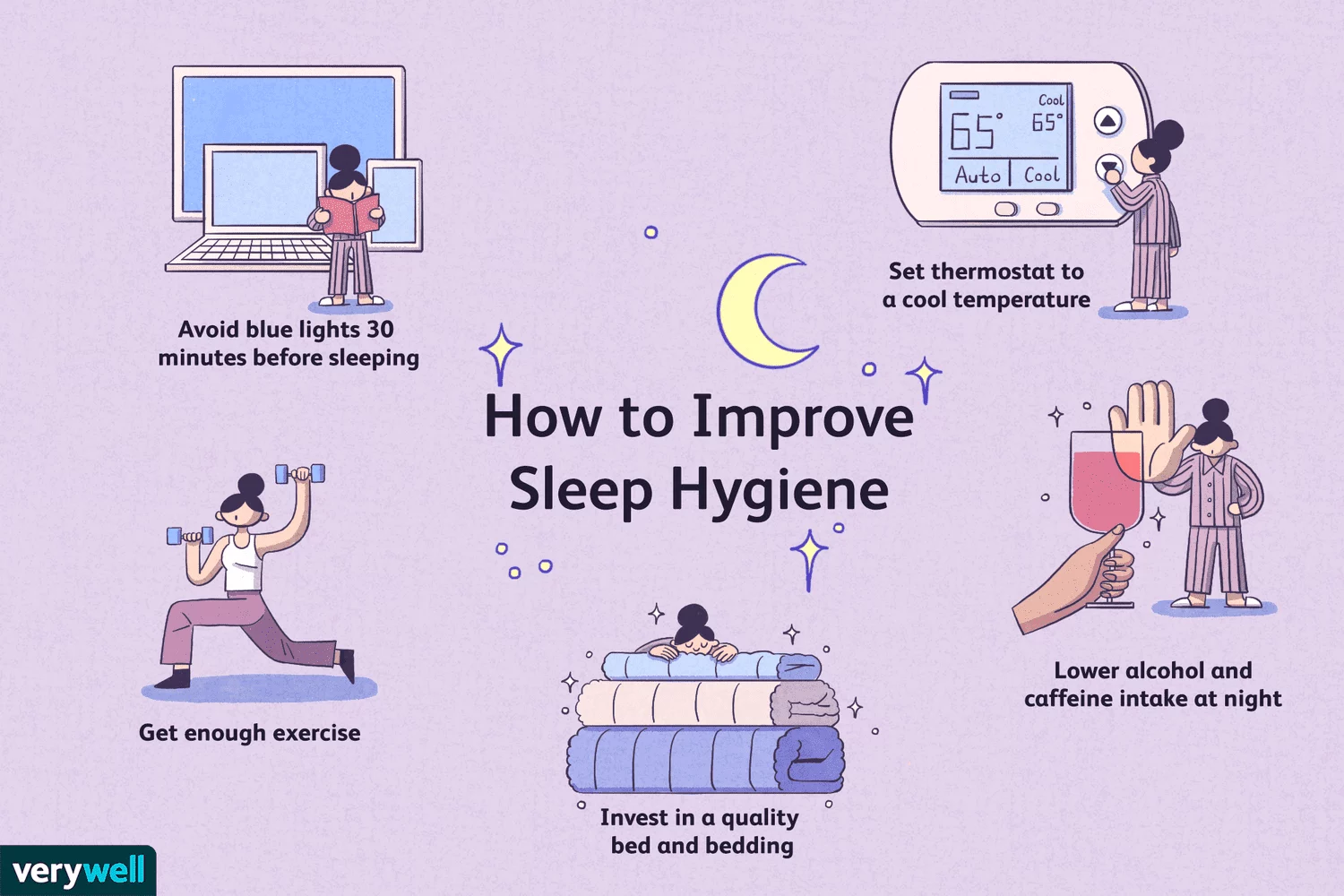
What you consume in the evening can influence your sleep. Heavy meals close to bedtime might cause discomfort, while caffeine and alcohol can disrupt rest even if they seem relaxing at first.
Aim for lighter dinners and avoid caffeine after noon. Herbal teas like chamomile can be a gentle alternative.
In my experience, cutting back on afternoon coffee was tough, but replacing it with decaf options helped. I noticed fewer wake-ups during the night, leading to more restorative sleep.
Optimizing Your Sleep Environment
Your bedroom should be a sanctuary for rest. Keep it cool, quiet, and dark. A comfortable mattress and pillows tailored to your sleeping position can make a big difference.
Consider using white noise machines if sounds disturb you, or earplugs for silence. Decluttering the space can also reduce mental clutter.
I once revamped my bedroom by adding soft lighting and removing work-related items. It turned the room into a peaceful retreat, which subtly improved my sleep without much effort.
Incorporating Physical Activity
Regular exercise can promote better sleep by helping you fall asleep faster and enjoy deeper rest. Even moderate activities like walking or yoga count.
Try to get moving earlier in the day rather than right before bed, as vigorous workouts close to bedtime might energize you too much.
From my own routine, adding a daily walk after lunch not only boosted my energy but also made evenings more relaxing. It’s a simple way to tire out the body naturally.
Everyday Context: Fitting Habits into Your Routine
These habits aren’t about perfection; they’re about weaving them into your daily life. For busy parents, a quick bedtime story routine can double as relaxation time. Office workers might set phone reminders to dim screens.
In real life, small tweaks like preparing lunch the night before can reduce morning rush, indirectly supporting better sleep by lowering stress.
I’ve found that linking habits, like brushing teeth followed by reading, creates an automatic flow. It makes consistency feel effortless over time.
When It May Be Worth Paying Attention
Sometimes, despite good habits, sleep issues persist. This might happen if you’re feeling unusually tired during the day or waking up frequently.
In such cases, it could be helpful to note patterns and consider everyday factors like diet or stress. If things don’t improve, talking to a healthcare professional can provide personalized insights.
Remember, this isn’t about self-diagnosis but recognizing when extra support might be beneficial. Always prioritize your well-being gently.
More: Ever Wonder Why Sleep Quality Makes Such a Big Difference?
When Should You Consider Professional Help?
If sleep problems last more than a few weeks and affect your daily life, it may be time to seek advice. Signs like constant fatigue, difficulty concentrating, or mood changes could indicate something more.
A doctor can help rule out underlying issues without alarm. It’s a proactive step toward feeling better, and many find relief through simple discussions.
Simple Takeaways
- Stick to a consistent sleep schedule to align your body’s clock.
- Create a wind-down routine with relaxing activities.
- Limit screens and caffeine in the evening.
- Make your bedroom conducive to rest.
- Incorporate daily movement for natural tiredness.
These points are easy to remember and implement gradually.
Gentle Conclusion
Improving sleep through simple habits can lead to more restful nights and brighter days. Start with one or two changes that feel manageable, and build from there. Everyone’s experience is unique, so be patient with yourself as you explore what works best.
FAQ Section
What are some quick habits to start for better sleep?
Try setting a fixed bedtime and avoiding screens an hour before. These small steps can make a noticeable difference.
How does caffeine affect sleep?
Caffeine can stay in your system for hours, potentially making it harder to fall asleep. Limiting it after noon often helps.
Is exercise good for sleep?
Yes, regular physical activity can promote deeper sleep, but aim to do it earlier in the day.
What if I can’t stick to a sleep schedule on weekends?
It’s okay to have some flexibility, but try to keep variations minimal to maintain your rhythm.
When should I worry about poor sleep?
If it persists and impacts your daily functioning, consider chatting with a professional for guidance.