
Many people know the feeling of tossing and turning at night, only to wake up groggy the next morning. Poor sleep isn’t just about feeling tired—it can quietly influence various parts of your body and mind over time. In this article, we’ll look at how ongoing sleep issues might affect your health in everyday ways, using simple explanations to help you understand the bigger picture.
What Happens in Your Body During Sleep?
Sleep is more than just rest. It’s a time when your body repairs itself, processes the day’s events, and prepares for what’s ahead. When you get good sleep, your brain sorts through memories, your muscles recover, and your immune system strengthens.
But when sleep is poor—whether it’s too short, interrupted, or not deep enough—these processes can get disrupted. For instance, your body releases hormones during sleep that help control hunger, stress, and energy levels. If sleep is lacking, these hormones might not balance properly, leading to subtle changes that build up over time.
Think of sleep like recharging a battery. A full charge keeps everything running smoothly, but a partial one might cause glitches in how your systems work together.
Common Ways Poor Sleep Can Affect Physical Health
Poor sleep often links to several physical health areas, though it’s not always a direct cause. Instead, it may contribute to risks or make existing issues feel more noticeable. Let’s break it down into key areas.
Heart and Blood Pressure
Your heart works hard all day, and sleep gives it a chance to slow down and recover. When sleep is inadequate, your body might stay in a heightened state, which can sometimes lead to higher blood pressure over time.
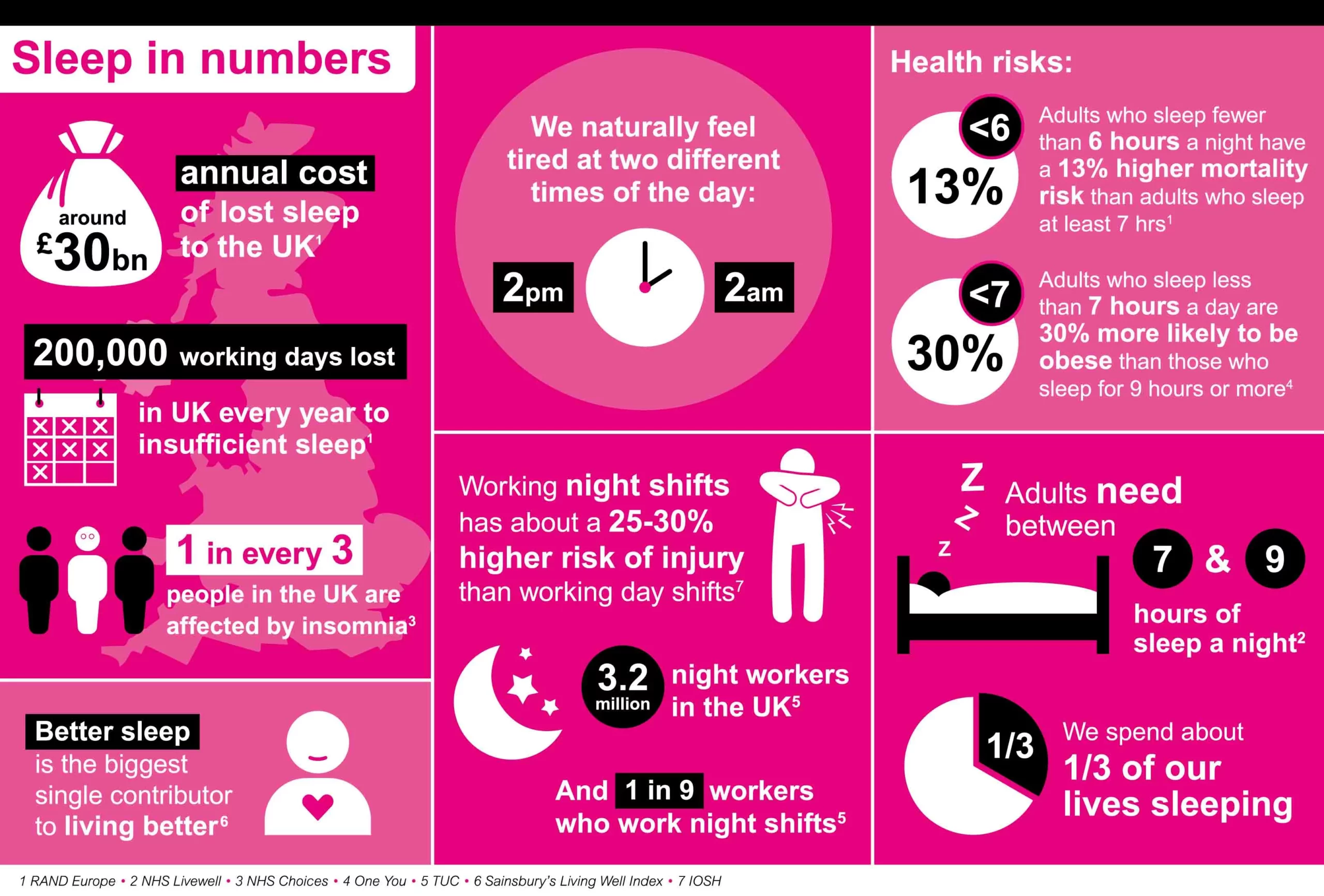
Studies from health organizations suggest that people who regularly get less than seven hours of sleep may face a greater chance of heart-related concerns, like high blood pressure or even stroke. This happens because poor sleep can affect how your blood vessels function and how stress hormones are managed.
In everyday terms, this might mean feeling your heart race more easily during the day or noticing fatigue that makes simple activities feel tougher.
Metabolism and Weight
Sleep plays a role in how your body handles food and energy. During deep sleep, hormones like ghrelin and leptin help regulate appetite—ghrelin makes you hungry, while leptin signals fullness.
With poor sleep, ghrelin levels might rise, and leptin could drop, making you crave more food, especially sugary or fatty options. Over weeks or months, this could contribute to weight gain or make it harder to maintain a healthy weight.
Additionally, poor sleep may influence blood sugar levels, potentially raising the risk of issues like type 2 diabetes in some cases. It’s like your body’s internal clock getting out of sync, affecting how efficiently it processes meals.
Immune System Function
A strong immune system helps fight off common bugs like colds or flu. Sleep is key here because your body produces proteins called cytokines during rest, which help combat infections and inflammation.
If sleep is consistently poor, your immune response might weaken, making it easier to catch illnesses or take longer to recover. For example, research shows that people with short sleep durations are more likely to get sick after exposure to viruses.
This doesn’t mean every bad night leads to illness, but ongoing patterns could make your body less resilient in the long run.
Other Physical Effects
Beyond these, poor sleep might connect to other areas like kidney function or overall energy levels. Some people notice aches or slower healing from minor injuries when rest is lacking.
It’s important to remember these effects vary from person to person, depending on factors like age, diet, and activity levels.
How Poor Sleep Influences Mental Well-Being
Poor sleep doesn’t just affect the body—it can also touch your mind and emotions. Many people experience this as mood swings or trouble focusing after a rough night.
Mood and Emotional Balance
Without enough sleep, your brain’s ability to manage emotions can falter. You might feel more irritable, anxious, or down than usual. This is because sleep helps process feelings and reset your mental state.
Over time, ongoing poor sleep may contribute to feelings of depression or heightened stress, as the brain’s reward and regulation centers get disrupted.
In daily life, this could show up as snapping at loved ones or feeling overwhelmed by small tasks.
Thinking and Memory
Sleep is crucial for cognitive functions like concentration, problem-solving, and memory. During certain sleep stages, your brain consolidates what you’ve learned.
Poor sleep can lead to fuzzy thinking, slower reactions, or forgetfulness. This might make work or school feel more challenging, or increase the chance of minor accidents, like bumping into things.
For drivers, this reduced alertness can be particularly noticeable, affecting safety on the road.
Poor Sleep in Everyday Routines
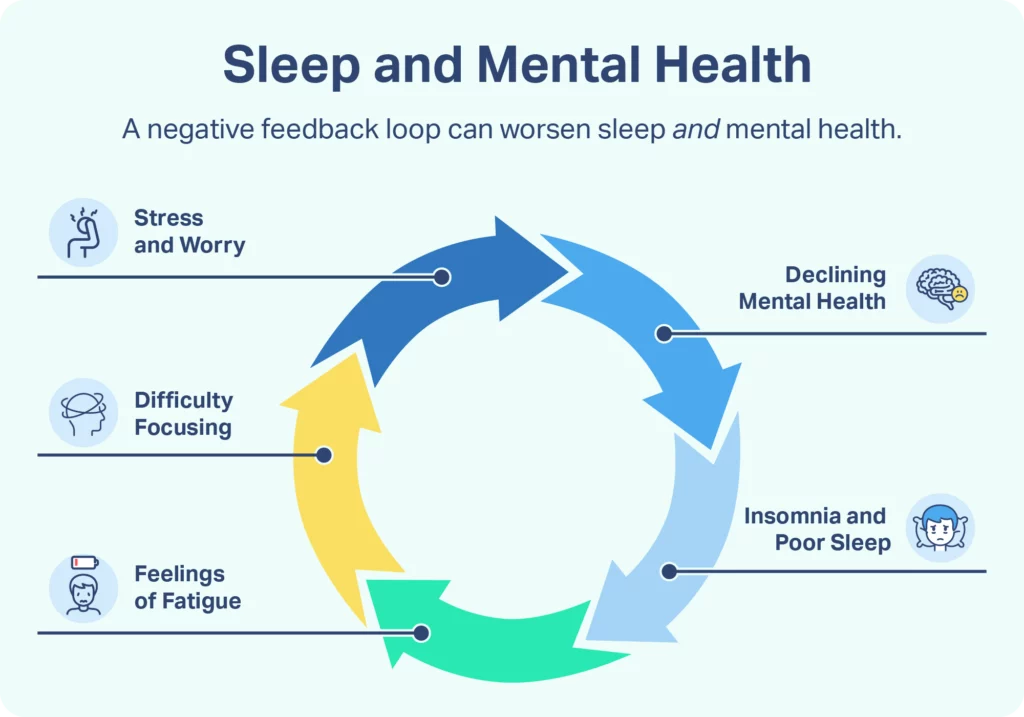
Poor sleep often weaves into daily habits without us realizing. For example, if you’re skimping on rest to catch up on work or scroll through your phone late at night, it might start a cycle.
In the morning, you could reach for extra coffee to push through, but that caffeine might interfere with the next night’s sleep. Or, feeling tired might lead to skipping exercise, which in turn can make sleep harder to come by.
Many Americans report not getting the recommended seven to nine hours, often due to busy schedules or screen time. This can turn into a habit where poor sleep affects productivity, relationships, and even enjoyment of hobbies.
Relating it to routines, think about how a bad sleep night might make healthy eating choices tougher, as tiredness often leads to comfort food cravings.
More: Can Stress Cause Fatigue? Exploring the Connection
When Might Poor Sleep Warrant Attention?
Sometimes, poor sleep is just from a stressful day or a late meal. But if it happens often, it may be worth noticing patterns.
For instance, if you’re always tired despite trying to rest, or if sleep issues come with other changes like weight shifts or mood dips, it could signal something underlying.
In these cases, it may be helpful to chat with a healthcare professional. They can explore if factors like sleep apnea or stress are at play, without jumping to conclusions. Remember, this isn’t about diagnosing yourself—it’s about seeking clarity when things feel off.
Simple Takeaways to Keep in Mind
Here are some key points to remember about poor sleep and health:
- It can influence heart health by potentially raising blood pressure risks over time.
- Metabolism might shift, affecting appetite and blood sugar.
- Your immune system may not work as efficiently, making illnesses more common.
- Mental aspects like mood and focus often suffer, impacting daily life.
- Everyday habits play a big role, so small adjustments can make a difference.
These are general observations, and everyone’s experience is unique. The good news is that improving sleep habits can often help restore balance.
Wrapping It Up
Poor sleep is something many of us deal with from time to time, and understanding its potential effects can empower better choices. By recognizing how it might touch physical and mental health, you can appreciate the value of consistent rest. Ultimately, prioritizing sleep is a gentle way to support your overall well-being without any pressure.