
Feeling constantly tired can be frustrating and impact daily life. This common issue often stems from lifestyle habits, diet, or stress, but sometimes it points to other factors. Understanding potential causes may help you identify ways to feel more energized. Remember, this is general information and not a substitute for professional advice.
Common Lifestyle Factors That May Contribute to Fatigue
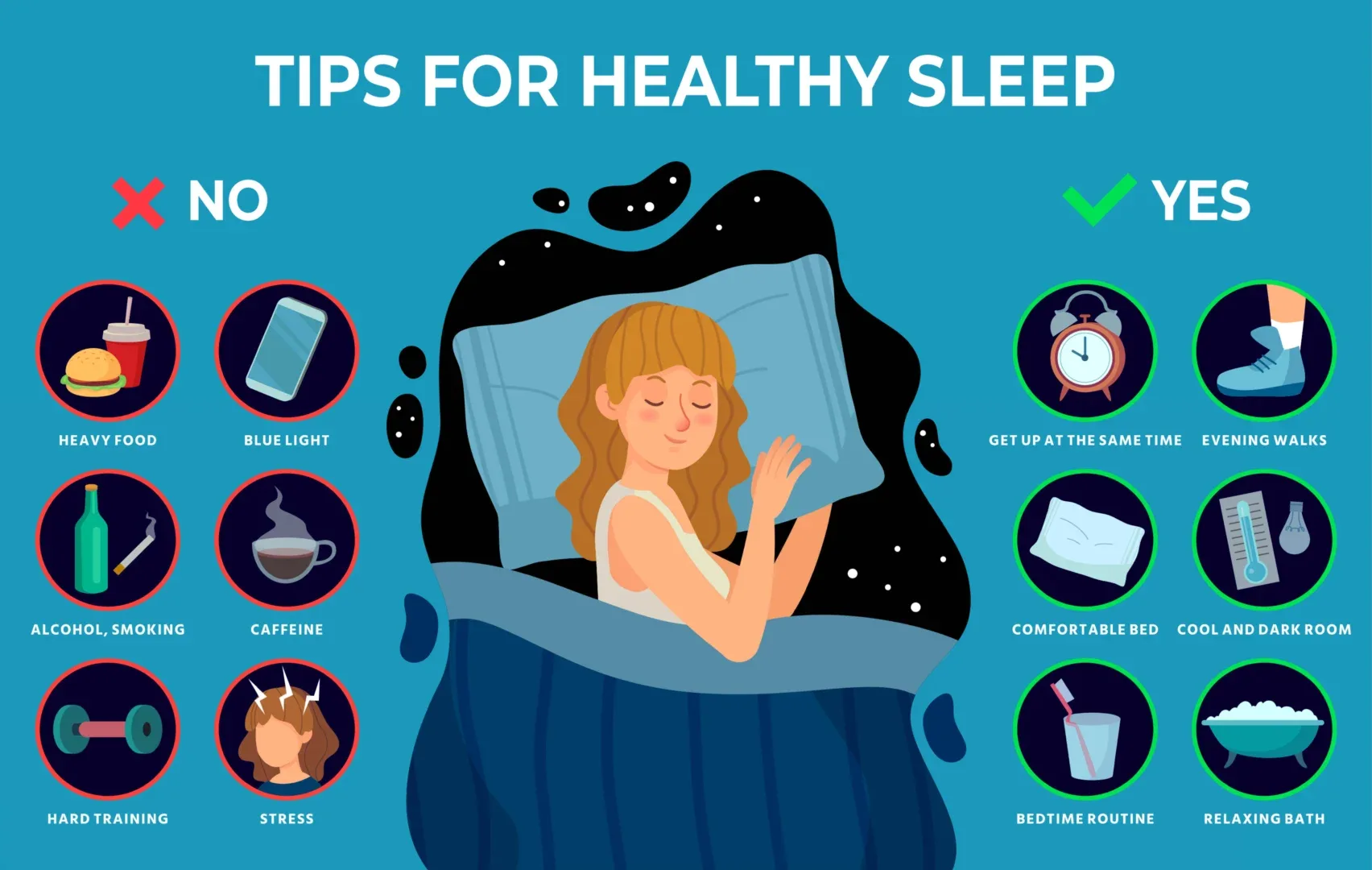
Many people experience ongoing tiredness due to everyday habits that disrupt rest or energy levels. For instance, irregular sleep patterns can play a big role. If you’re not getting consistent, quality sleep—aiming for 7-9 hours per night—your body might not fully recharge. Things like late-night screen time or an uncomfortable sleep environment can interfere with this.
Another factor is physical activity, or the lack of it. While it might seem counterintuitive, too little exercise can lead to feelings of sluggishness. Regular movement, such as walking or light workouts, often helps boost circulation and energy. On the flip side, overdoing it without proper recovery can also cause fatigue.
Caffeine and alcohol consumption are worth considering too. Relying on coffee or energy drinks might provide a short-term lift but can lead to crashes later. Alcohol, even in moderate amounts, may disrupt sleep cycles, leaving you feeling worn out the next day.
Hydration is often overlooked. Dehydration can make you feel tired because your body needs water to function properly. Aim to drink plenty of fluids throughout the day, especially if you’re active or in a warm climate.
How Diet and Nutrition Might Play a Role
What you eat can significantly affect your energy levels. A diet low in essential nutrients might contribute to feeling always tired. For example, deficiencies in iron, vitamin B12, or vitamin D are sometimes linked to fatigue. Iron helps transport oxygen in the blood, and without enough, you might feel weak or exhausted.

More: Is It Normal to Feel Tired All Day?
Eating patterns matter as well. Skipping meals or relying on sugary snacks can cause blood sugar fluctuations, leading to energy dips. Balanced meals with proteins, healthy fats, and complex carbs—like whole grains, fruits, and vegetables—may help maintain steady energy.
Overeating or consuming heavy meals, especially close to bedtime, can also disrupt rest. Paying attention to portion sizes and timing your meals might make a difference in how alert you feel during the day.
The Impact of Stress and Mental Health on Energy
Stress is a common culprit behind persistent tiredness. When you’re under constant pressure, your body releases hormones like cortisol, which can wear you down over time. Chronic stress might lead to burnout, making even simple tasks feel overwhelming.
Mental health conditions, such as anxiety or depression, often come with fatigue as a symptom. These can affect sleep, appetite, and motivation, creating a cycle of exhaustion. Simple practices like mindfulness, deep breathing, or talking to a friend might help manage stress levels.
Work-life balance plays into this too. If you’re juggling too many responsibilities without breaks, it can drain your energy reserves. Setting boundaries and prioritizing self-care activities could provide some relief.
Possible Medical Conditions Associated with Chronic Fatigue
Sometimes, ongoing tiredness might relate to underlying health issues. Anemia, where your body lacks enough healthy red blood cells, can cause fatigue because it reduces oxygen delivery to tissues.
Thyroid problems, like hypothyroidism, may slow down your metabolism, leading to feelings of sluggishness. Sleep disorders such as sleep apnea—where breathing pauses during sleep—can prevent restorative rest, resulting in daytime tiredness.
Other conditions, including diabetes, heart disease, or infections, might also contribute. Long-term effects from illnesses like COVID-19 have been noted to cause prolonged fatigue in some cases.
It’s important to note that these are possibilities, not certainties. Fatigue can be a symptom of many things, and only a healthcare provider can assess your specific situation.
Practical Tips to Help Boost Your Energy Levels
More: Why Do I Feel Tired After Sleeping?
If you’re wondering how to address feeling always tired, small changes might help. Start by establishing a regular sleep routine—going to bed and waking up at the same times daily.
Incorporate balanced nutrition by focusing on whole foods and staying hydrated. Try to include iron-rich foods like spinach or lean meats if you suspect a deficiency, but consult a professional before supplements.
Add gentle exercise, like a daily walk, to your routine. It can improve mood and energy without overwhelming you. Managing stress through activities such as yoga or journaling may also make a difference.
Limit caffeine intake, especially in the afternoon, and reduce alcohol. Keeping a journal of your habits and energy levels could help identify patterns.
When Should You Consider Professional Help?
If tiredness persists despite lifestyle adjustments, it may be time to seek professional advice. Consider talking to a doctor if fatigue interferes with daily activities, comes with other symptoms like unexplained weight changes, pain, or shortness of breath, or lasts more than a few weeks.
Sudden or severe fatigue, especially if accompanied by dizziness, chest pain, or confusion, warrants prompt attention. A healthcare provider can help rule out underlying conditions through tests or evaluations.
Remember, this isn’t about self-diagnosing but recognizing when extra support might be beneficial.
Constant tiredness can stem from various factors, including sleep habits, diet, stress, or health conditions. By exploring these areas and making gentle adjustments, you might notice improvements in your energy. Always prioritize your well-being and consult professionals for personalized guidance. Staying informed can empower you to take steps toward feeling more vibrant.
FAQ Section
What are the most common reasons for feeling always tired?
Common reasons include poor sleep, unbalanced diet, lack of exercise, and high stress levels. Lifestyle factors like excessive caffeine or alcohol can also contribute.
Can diet really affect my energy levels?
Yes, nutrient deficiencies or blood sugar imbalances from poor eating habits may lead to fatigue. Focusing on balanced meals often helps.
When is tiredness a sign of something serious?
If it persists, interferes with life, or comes with other symptoms, it could indicate an underlying issue. Consulting a doctor is advisable.
How can I improve my sleep to reduce tiredness?
Establish a routine, create a comfortable environment, and avoid screens before bed. Consistent habits usually promote better rest.
Are there home remedies for fatigue?
Hydration, balanced nutrition, light exercise, and stress management techniques like mindfulness can be helpful starting points.