

Have you ever finished a meal and suddenly felt like you need a nap? This sleepy feeling after eating is something many people experience from time to time. In this article, we’ll look at some common reasons why this might happen, focusing on how your body handles food and everyday factors that play a role.
Understanding the Basics: What Happens When You Eat
When you eat, your body kicks into gear to process the food. This involves breaking down what you’ve consumed into nutrients that can be used for energy. The digestive system takes center stage, and this shift can sometimes lead to a feeling of tiredness.
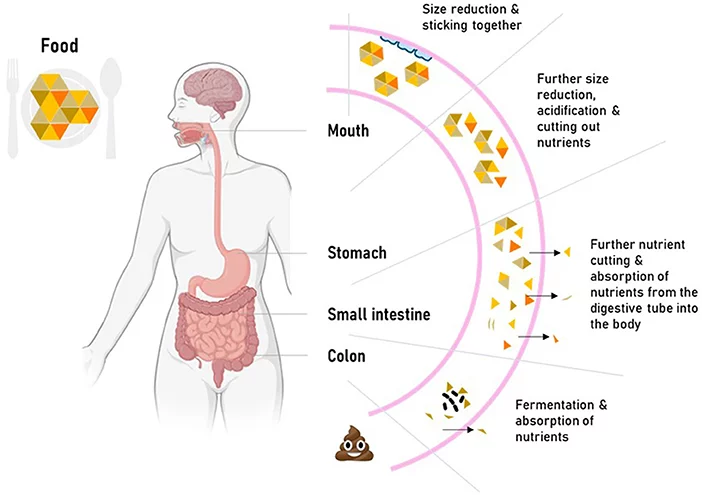
Digestion starts in your mouth and continues through your stomach and intestines. As food moves along, your body releases enzymes and acids to help break it down. This process requires energy, and your body prioritizes it by sending more blood to the digestive organs. This redirection of blood flow away from other areas, like your brain, might contribute to that drowsy sensation.
At the same time, your nervous system plays a part. The parasympathetic nervous system, often called the “rest and digest” system, becomes more active after eating. This helps with digestion but can also promote relaxation, which might make you feel sleepy.
It’s worth noting that this response is a normal part of how the body works. In many cases, it’s just your system handling the task at hand without any underlying issues.
More: Why Lack of Sleep Affects Your Mood: What You Need to Know
Common Factors That Might Make You Feel Tired After a Meal
There are several everyday reasons why tiredness can set in after eating. These often relate to what you eat, how much, and even when you eat. Let’s break them down one by one.
The Role of Meal Size and Overeating
Eating a large meal can sometimes lead to more noticeable tiredness. When you consume a big portion, your body has to work harder to digest it all. This extra effort might use up more energy, leaving you feeling sluggish.
Think about holiday dinners or buffets where you might eat more than usual. Many people report feeling extra tired afterward. Smaller, more frequent meals throughout the day might help spread out this energy use, but everyone’s experience can vary.
Types of Foods and Their Impact
What you eat can influence how you feel afterward. Foods high in carbohydrates, like pasta, bread, or sugary items, are often linked to post-meal sleepiness. These can cause a quick rise in blood sugar, followed by an insulin response that might lead to a dip in energy levels.

High-fat meals can also play a role, as they take longer to digest and might require more from your system. On the other hand, balanced meals with proteins, veggies, and whole grains might lead to less of this effect for some people.
Certain nutrients in food can affect brain chemistry too. For example, tryptophan, found in foods like turkey or dairy, is a building block for serotonin, a chemical that can promote calmness and sleepiness. When combined with carbs, it might cross into the brain more easily.
Hormonal Changes and Natural Body Responses
After eating, your body releases various hormones to manage digestion and energy. Insulin helps regulate blood sugar, but fluctuations can sometimes contribute to fatigue. Additionally, there might be an increase in melatonin, a hormone associated with sleep, especially if the meal includes certain components.
Serotonin levels can rise as well, promoting a sense of relaxation. These changes are part of the body’s natural way of handling food intake, and they often happen without us noticing much, unless the meal is particularly heavy or timed in a certain way.
Time of Day and Circadian Rhythms
The time you eat can matter. Many people feel this tiredness more after lunch, which coincides with a natural dip in the body’s circadian rhythm around midday. This afternoon slump is common even without eating, but a meal can amplify it.
If you’re eating late at night, your body’s preparation for sleep might overlap with digestion, making tiredness more pronounced. Daily routines, like eating after a busy morning, can also factor in.
How This Fits Into Everyday Life
In daily routines, feeling tired after eating often ties back to common habits. For instance, a quick lunch at work might include convenient foods like sandwiches or fast food, which are often carb-heavy. This can lead to that familiar afternoon lull during meetings or tasks.
At home, family dinners might be larger, especially if they’re comforting meals after a long day. Weekends with brunches or barbecues can bring on the same feeling, as relaxation sets in.
Understanding this can help make sense of why it happens during normal activities. It’s often just the body’s way of processing what you’ve given it, influenced by lifestyle factors like sleep quality or activity levels from the day before.
Many people notice this more when they’re already a bit worn out from the day’s events. Staying hydrated throughout the day might play a role too, as mild dehydration can sometimes add to overall fatigue.
More: Why Do I Feel Sleepy During the Day?
When It May Be Worth Paying Attention
In most cases, feeling tired after eating is a normal occurrence and nothing to worry about. However, if this happens frequently or is accompanied by other changes, it might be something to note.
For example, if the tiredness is extreme or comes with symptoms like dizziness, ongoing fatigue, or digestive discomfort, it could relate to how your body handles certain foods or daily patterns. Sometimes, factors like blood sugar variations or sensitivities to certain foods might be involved.
If you notice this pattern persisting over time, or if it affects your daily life significantly, considering a chat with a healthcare professional can provide personalized insights. They can help rule out any underlying factors, but remember, this article is for general information only.
Simple Takeaways to Keep in Mind
To wrap up the key points, here are some straightforward reminders:
- Digestion takes energy, and large or heavy meals can amplify tiredness.
- Foods high in carbs or certain nutrients like tryptophan might contribute to sleepiness through hormonal shifts.
- Natural body rhythms, especially in the afternoon, can make this feeling more noticeable.
- Everyday habits and meal timing play a big part in how this shows up.
These are common experiences, and recognizing them can help you feel more at ease when it happens.
Wrapping It Up
Feeling tired after eating is a shared experience for many, often rooted in the body’s natural digestive processes and the foods we choose. By understanding these factors, it becomes easier to see why it occurs in everyday life. Remember, everyone’s body responds a bit differently, so what affects one person might not impact another the same way.
Meta Description: Ever felt unusually sleepy after a meal? It’s a common thing many people notice. This guide explores simple reasons like digestion and food choices that might explain why you feel tired after eating, in an easy-to-understand way.