
Waking up after what seems like a solid night of sleep, only to feel groggy and wiped out, is a common frustration for many people. You’ve clocked in those recommended hours, but your energy just isn’t there. This article looks into some everyday reasons this might happen and offers a calm explanation to help you make sense of it.
What Happens During Sleep?
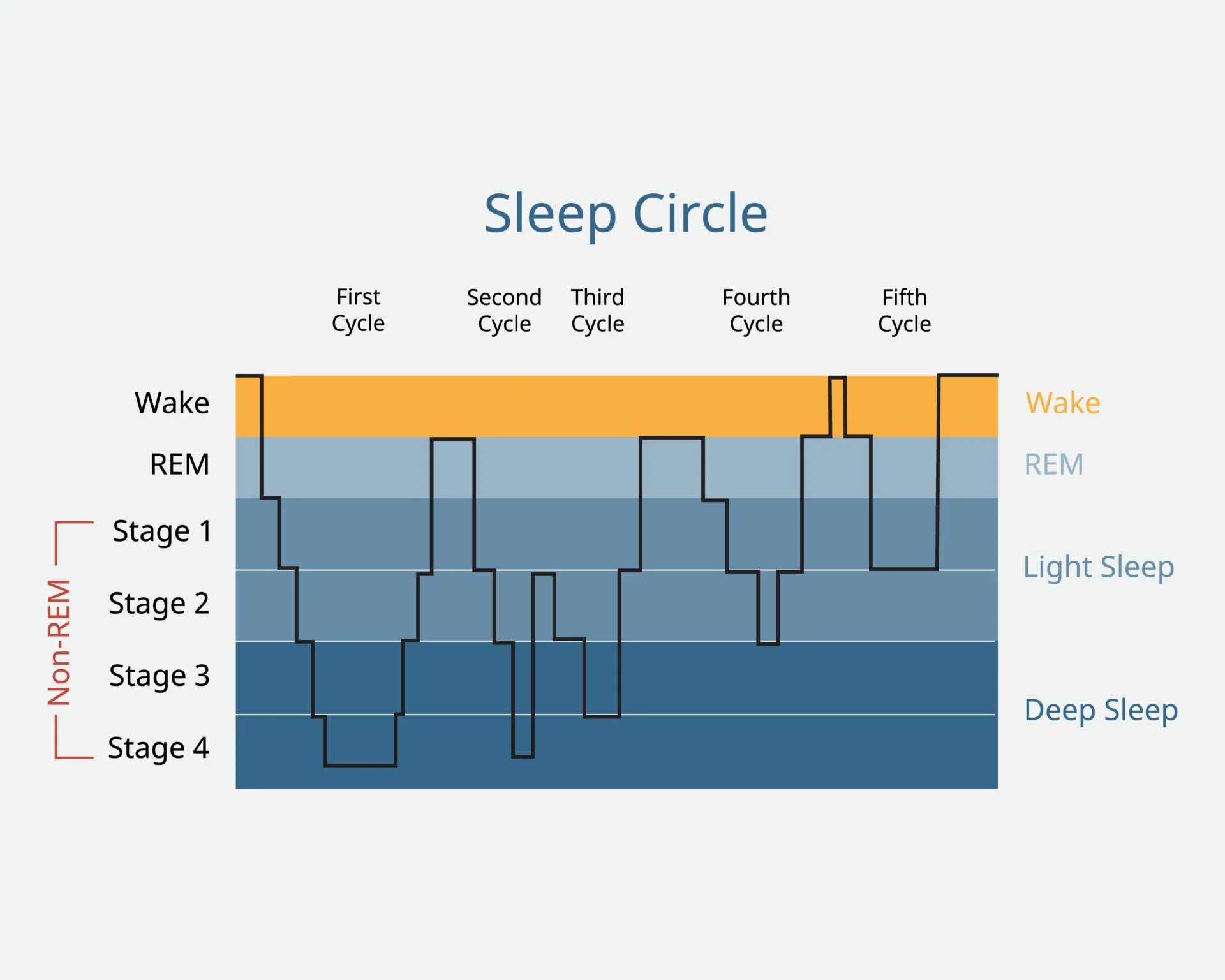
Sleep isn’t just one long stretch of downtime—it’s a cycle of different stages that your body goes through multiple times a night. These include light sleep, deep sleep, and REM sleep, where dreaming often occurs. Each stage plays a part in restoring your body and mind, from repairing tissues to processing emotions.
If something interrupts these cycles, like waking up in the middle of a deep stage, you might feel off-balance when the alarm goes off. This groggy state right after waking is often called sleep inertia, and it can last from a few minutes to an hour or more in some cases. It’s your brain’s way of transitioning from rest to alertness, but sometimes that shift doesn’t happen smoothly.
Understanding these stages can shed light on why rest doesn’t always feel restorative. For instance, if you’re not spending enough time in deep sleep, your body might not fully recharge, leaving you tired even after eight hours.
More: Is It Normal to Feel Tired All Day?
Common Reasons for Feeling Tired After Sleep
There are several factors that could explain why you wake up feeling drained. Often, it’s not about the quantity of sleep but the quality. Let’s break down some typical culprits.
Poor Sleep Quality
Even if you’re in bed for hours, interruptions can fragment your rest. Things like noise, light, or an uncomfortable mattress might cause you to wake up briefly without realizing it. Over time, this adds up, preventing you from reaching those deeper, more refreshing stages of sleep.
Many people experience this due to their sleep environment. A room that’s too warm or cluttered can make it hard to stay asleep soundly. Simple adjustments, like using blackout curtains or a fan for white noise, are things folks sometimes try to improve this.
Sleep Disorders
Conditions like sleep apnea can play a big role. This is when breathing pauses during sleep, leading to frequent awakenings that you might not remember. As a result, your sleep feels shallow, and you wake up exhausted.
Other issues, such as restless legs syndrome, can cause discomfort that disrupts rest. These aren’t uncommon, and they often go unnoticed until the daytime fatigue becomes noticeable.
Diet and Lifestyle Choices
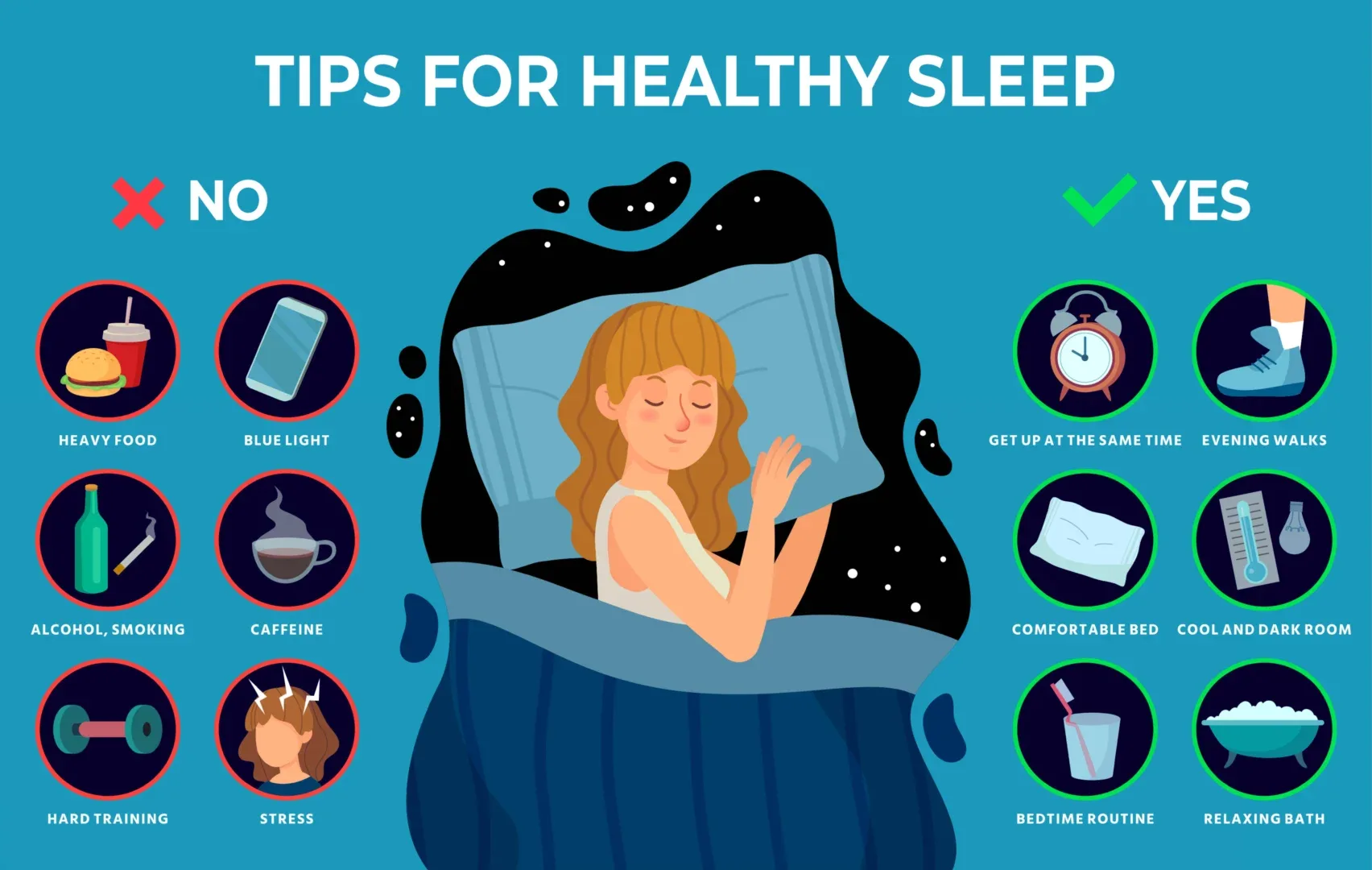
What you eat and drink can affect how you feel the next day. Consuming caffeine late in the afternoon or having a heavy meal before bed might interfere with your ability to fall into deep sleep. Alcohol, while it might make you drowsy initially, can lead to poorer sleep quality later in the night.
Dehydration is another sneaky factor. If you’re not drinking enough water during the day, it can contribute to feeling sluggish upon waking.
Stress and Mental Health
High stress levels or anxiety can keep your mind racing, even when you’re trying to rest. This might result in lighter sleep or frequent wake-ups. Conditions like depression can also alter sleep patterns, making it harder to feel refreshed.
In busy lives, it’s easy for worries to carry over into the night, affecting how restorative your sleep is.
Oversleeping or Irregular Schedules
Sometimes, sleeping too much can backfire. If you regularly sleep more than nine hours, it might disrupt your natural rhythm, leading to that tired feeling. Shift work or inconsistent bedtimes can throw off your body’s internal clock, too.
Jet lag or changing time zones is a classic example where your sleep doesn’t align with your environment, leaving you fatigued.
Medical Factors
Things like anemia, where your body lacks enough iron, can cause ongoing tiredness. Thyroid issues might also play a part, affecting energy levels overall. These are more general observations, as everyone’s situation is unique.
How Daily Habits Influence Your Rest
Your routine throughout the day sets the stage for nighttime. For example, if you spend a lot of time staring at screens, the blue light can delay your body’s production of melatonin, the hormone that helps you sleep.
Exercise is another piece—getting some movement earlier in the day can promote better sleep, but working out too close to bedtime might keep you wired. Eating habits matter, too; a balanced diet with nutrients like magnesium from leafy greens can support restful nights.
Napping habits can interfere if they’re too long or late. A short 20-minute nap might refresh you, but longer ones could cut into your nighttime sleep quality.
In everyday life, small things add up. Rushing through the day without breaks can build tension that carries into bed. Creating a wind-down routine, like reading or light stretching, is something many find helpful for signaling the body it’s time to rest.

When It May Be Worth Paying Attention
If feeling tired after sleeping happens occasionally, it might just be a off day. But if it’s persistent and affects your daily life, it could be helpful to think about underlying patterns.
Things like ongoing fatigue, headaches, or difficulty concentrating sometimes point to needing a closer look. In many cases, chatting with a healthcare professional can provide clarity, especially if simple changes don’t help. Remember, this isn’t about diagnosing anything—it’s just about being aware of your body’s signals.
Sources like the Mayo Clinic suggest keeping a sleep diary to track patterns, which can be a neutral way to observe what’s going on.
Key Takeaways
- Sleep quality often matters more than hours slept—focus on creating a calm environment.
- Daily habits like diet, exercise, and screen time can influence how rested you feel.
- Stress and irregular schedules are common contributors to post-sleep tiredness.
- If it’s ongoing, considering professional input might offer insights.
These points are general reminders to help you reflect on your own routines.
Feeling tired after sleeping can stem from a mix of factors, from how you spend your day to what’s happening at night. By paying attention to these elements in a relaxed way, you might notice patterns that lead to better rest. Everyone’s experience is different, so what works for one person might vary for another. The goal is to approach it with curiosity rather than worry, aiming for those mornings where you wake up ready for the day.
FAQ
Why do I wake up tired even after 8 hours of sleep?
This could be due to poor sleep quality, where interruptions prevent deep rest. Factors like stress, diet, or your environment might play a role, as explained in sources from health experts.
Can oversleeping make me feel more tired?
Yes, sleeping too much can sometimes disrupt your natural sleep rhythm, leading to grogginess. It’s about finding a balance that suits your body.
How does my bedroom affect my sleep?
A cozy, dark, and quiet space often supports better rest. Simple setups like comfortable bedding can make a difference in how refreshed you feel.
What if I feel tired every day after sleeping?
If it’s consistent, tracking your habits or speaking with a doctor might help identify patterns. It’s not uncommon, and small adjustments can sometimes improve things.
Are there habits that can help me feel less tired after sleep?
Consistent bedtimes, limiting screens, and a balanced diet are often linked to better energy levels. These are general ideas to consider in your routine.