
Have you ever crawled into bed after a long day, gotten what felt like a solid night’s rest, only to wake up feeling just as exhausted as when you went to sleep? It’s a frustrating experience that many people deal with, leaving them wondering what’s going wrong. In this article, we’ll explore some common reasons behind waking up tired and look at how everyday habits might play a role in your morning grogginess.
Understanding Sleep and Why It Matters
Sleep isn’t just about closing your eyes and drifting off. It’s a complex process that your body goes through every night to recharge and repair itself. When something disrupts this process, you might end up feeling worn out even after spending hours in bed.
Think of sleep like a cycle that repeats several times throughout the night. Each cycle includes different stages, from light sleep where you’re easily woken to deep sleep where your body does most of its healing work. If these cycles get interrupted or shortened, your body doesn’t get the full benefits, leading to that tired feeling in the morning.
Many folks assume that more hours in bed equals better rest, but quality often trumps quantity. Waking up refreshed depends on how well your sleep aligns with your body’s natural rhythms.
Common Reasons You Might Wake Up Tired
There are several everyday factors that could explain why you’re not feeling rested after sleep. Let’s break them down one by one.
Poor Sleep Quality
Even if you’re in bed for eight hours, the quality of that sleep makes a big difference. Things like frequent wake-ups, even if you don’t remember them, can fragment your rest.
For instance, noise from outside, a partner tossing and turning, or even a pet jumping on the bed might pull you out of deeper sleep stages without you fully realizing it. Over time, this adds up, leaving you feeling drained.
Another aspect is sleep environment. A room that’s too warm, too bright, or with uncomfortable bedding can prevent you from reaching those restorative phases of sleep.
Irregular Sleep Schedules
Your body loves routine, especially when it comes to sleep. If your bedtime and wake-up times vary a lot – say, staying up late on weekends and crashing early during the week – it can throw off your internal clock.
This internal clock, often called the circadian rhythm, helps regulate when you feel sleepy and alert. Messing with it can make it harder to fall asleep easily and wake up feeling ready for the day.
Shift workers or parents with young kids often face this issue, as their schedules don’t always allow for consistency.
More: Why Do I Feel Tired After Sleeping?
Lifestyle Habits Affecting Rest
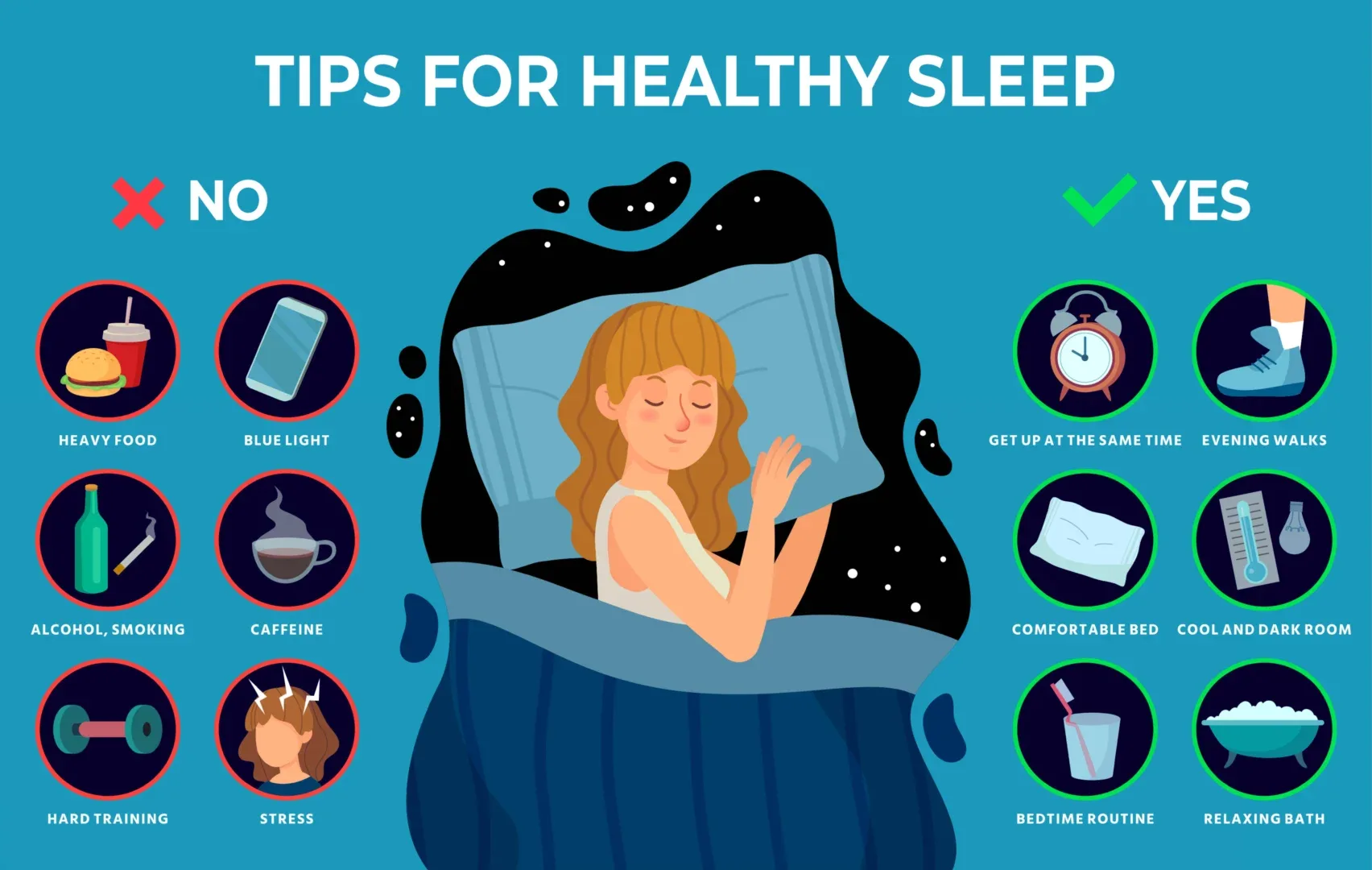
What you do during the day can sneakily impact how you feel in the morning. Caffeine late in the afternoon, for example, might keep buzzing in your system longer than you think, making it tough to wind down at night.
Heavy meals close to bedtime or intense exercise right before sleep can also rev up your body when it should be calming down. Alcohol might help you nod off initially, but it often leads to poorer sleep quality later in the night.
Screen time is another culprit. The blue light from phones and TVs can suppress the hormone that signals it’s time to sleep, tricking your brain into thinking it’s still daytime.

Stress and Mental Factors
Life’s worries don’t always stay out of the bedroom. If your mind is racing with thoughts about work, family, or other stresses, it can make falling asleep – or staying asleep – a challenge.
This mental churn can lead to lighter sleep, where you’re not dipping into the deeper stages needed for true recovery. Over time, chronic stress might build up, amplifying that tired sensation upon waking.
Sometimes, it’s not full-blown anxiety but just a busy mind replaying the day’s events or planning tomorrow’s to-do list.
Underlying Health Aspects
In many cases, feeling tired after sleep might relate to general health patterns. For example, not getting enough physical activity during the day can leave you with pent-up energy that disrupts rest.
Dehydration is another subtle factor; if you’re not drinking enough water, it can affect how your body functions overnight, leading to fatigue.
Certain eating patterns, like skipping meals or relying on sugary snacks, might cause blood sugar fluctuations that carry over into your sleep.
How Daily Life Plays Into Morning Fatigue
Our routines often set the stage for how we sleep. Think about your typical day: rushing through meals, sitting at a desk for hours, or juggling multiple tasks. These can all influence your energy levels come morning.
For many people, work demands mean less time for relaxation, which can carry tension into bedtime. Simple things like not getting natural light exposure during the day might misalign your body’s signals for sleep.
Family life adds another layer. Parents might wake multiple times for kids, or shared beds could mean compromised space and comfort.
Even hobbies or social activities, if they run late, can eat into sleep time without you noticing the cumulative effect.
When It May Be Worth Paying Attention
Most of the time, waking up tired is tied to habits that can be tweaked. But sometimes, it could point to patterns worth noting.
If this tiredness persists despite trying basic changes, like sticking to a schedule, it may be helpful to reflect on ongoing stress or daily routines.
In some situations, people find that discussing persistent fatigue with a healthcare provider offers insights, especially if it’s accompanied by other changes in how you feel.
Remember, this isn’t about alarming yourself but about being mindful of your body’s signals.
Simple Takeaways for Better Mornings
Here are a few straightforward ideas to consider for improving how you feel upon waking:
- Aim for a consistent sleep schedule, even on weekends, to help your body adjust.
- Create a calming pre-bed routine, like reading or light stretching, to signal it’s time to wind down.
- Pay attention to your sleep space: keep it cool, dark, and quiet.
- Limit caffeine and screens in the evening to avoid interference with natural sleep cues.
- Stay active during the day, but not too close to bedtime.
These aren’t guarantees, but they often help many people feel more rested.
More: Why Am I Always Tired?
Wrapping It Up
Waking up tired is something a lot of us experience from time to time, often due to a mix of sleep quality, daily habits, and how we manage our routines. By understanding these factors, you can start making small adjustments that might lead to more refreshing mornings. It’s all about listening to your body and finding what works for you in your everyday life.