
Ever felt that mid-afternoon slump and wondered if a quick nap could turn things around? Sometimes, a short snooze leaves you feeling refreshed and ready to tackle the day, while other times it might not make much difference—or even leave you groggy. In this article, we’ll explore the reasons behind why naps can be helpful in certain situations, drawing from everyday experiences and general insights on sleep.
What Happens When You Nap?
Napping is like giving your body and mind a brief pause in the middle of a busy day. When you close your eyes for a short rest, your brain shifts into lighter stages of sleep, which can help restore some energy without diving too deep into full sleep cycles. This process often involves relaxing your muscles, slowing your heart rate, and allowing your mind to process the day’s events.
In many cases, naps work by reducing built-up fatigue from the morning or previous night’s sleep. They can help reset your alertness levels, especially if you’ve been focusing on tasks for hours. However, the key is in the details—like how long you nap and when you do it. A brief nap might align with your body’s natural rhythms, making it more effective.
Research from trusted sources suggests that short naps can improve things like reaction time and mood. For example, if you’re feeling a bit foggy after lunch, a nap could clear that up by giving your brain a chance to recharge without interrupting your nighttime routine.
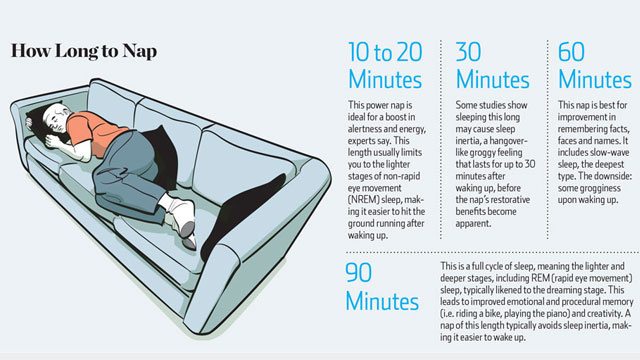
But naps don’t always deliver the same results. If you nap too long, you might enter deeper sleep stages, leading to that disoriented feeling when you wake up. This is often called sleep inertia, and it’s why some people avoid naps altogether.
More: Understanding How Poor Sleep Impacts Your Health
Common Reasons Naps Can Help
There are several factors that explain why naps provide relief in some situations. Let’s break them down into everyday scenarios where a nap might make a positive difference.
- Boosting Alertness After a Short Night: If you didn’t get a full night’s rest, a nap can help fill in the gaps. It may reduce daytime sleepiness and improve focus, especially for tasks that require attention. Studies indicate that even a 20-minute nap can enhance alertness for a few hours afterward.
- Improving Mood and Reducing Stress: Feeling irritable or overwhelmed? A quick nap might help by lowering stress levels and lifting your spirits. This happens because sleep can regulate emotions, making you less prone to frustration. Many people notice they’re more patient after a short rest.
- Enhancing Memory and Learning: Naps can support brain functions like recalling information or picking up new skills. During a nap, your mind consolidates memories from earlier in the day, which is why students or workers sometimes feel sharper post-nap.
- Supporting Physical Recovery: For those with active lifestyles, naps might aid in muscle repair or energy restoration after exercise. They can also contribute to overall well-being by helping maintain a balanced routine.
- Aligning with Natural Body Rhythms: Our bodies have a natural dip in energy in the early afternoon, often around 1 to 3 p.m. Napping during this window can feel more restorative because it matches your circadian rhythm.
These reasons show that naps aren’t a one-size-fits-all solution. They tend to help when your body needs a quick top-up, but factors like your overall sleep habits play a big role.
How Naps Fit into Daily Life
In everyday routines, naps often pop up as a way to handle the demands of work, family, or errands. Think about a parent chasing after kids all morning—they might find a 15-minute nap revives them for the afternoon chaos. Or someone with a desk job staring at screens; a short break could prevent that end-of-day burnout.
Naps can tie into habits like eating lunch, where the post-meal dip makes rest appealing. In cultures where siestas are common, people build naps into their schedules, leading to better productivity later. Even in the U.S., with busy lifestyles, incorporating a nap during a lunch break or weekend downtime can make sense.
However, daily context matters. If you’re well-rested from the night before, a nap might not add much value. On the flip side, during travel or shift work, naps become a tool to stay sharp. Relating this to normal life, naps help when they complement—not replace—good nighttime sleep.
When Naps Might Not Help as Much
Sometimes, naps don’t deliver the expected boost, and understanding why can help you decide when to skip them.
For instance, if you nap too late in the day, it could interfere with falling asleep at night. This happens because naps reduce your “sleep drive,” the natural buildup of tiredness. Similarly, longer naps over 30 minutes might lead to grogginess due to waking from deep sleep.
If stress or caffeine keeps you from relaxing, you might not drift off easily. Or, if your environment isn’t quiet, the nap could feel disrupted. In these cases, naps might not help and could even add to frustration.
When It May Be Worth Paying Attention
Naps can be part of a healthy routine, but pay attention if you rely on them daily. This might signal that your nighttime sleep isn’t sufficient, perhaps due to habits like late-night screen time or irregular schedules.
If naps often leave you feeling worse or if daytime fatigue persists, it could relate to other factors in your life. In many cases, simple adjustments like consistent bedtimes help. However, if tiredness affects your daily activities significantly, it may be worth considering a chat with a professional for general advice. Remember, this is just informational—everyone’s situation is unique.
Simple Takeaways
To sum up, naps can help by boosting alertness, mood, and memory when timed right—usually short and in the early afternoon.
- Keep naps to 20-30 minutes to avoid grogginess.
- Nap when you feel a natural dip in energy.
- Ensure they don’t cut into nighttime sleep.
- Use naps as a supplement, not a fix for poor sleep habits.
These points can make naps more effective in your routine.
More: Is It Normal to Feel Tired All Day?

Gentle Conclusion
Understanding why naps help sometimes comes down to listening to your body and finding what works in your daily life. They can offer a quick refresh without much effort, contributing to feeling more balanced overall. As with many things, moderation and awareness go a long way.
FAQ
Why do some naps make me feel more tired? This often happens if the nap is too long, leading to sleep inertia where you wake from deeper sleep stages. Shorter naps usually avoid this.
What’s the best time for a nap? Early afternoon, around 1-3 p.m., aligns with natural energy dips and is less likely to affect nighttime sleep.
Can naps replace lost sleep from the night? They can help reduce fatigue but aren’t a full substitute for a good night’s rest, which provides deeper recovery.
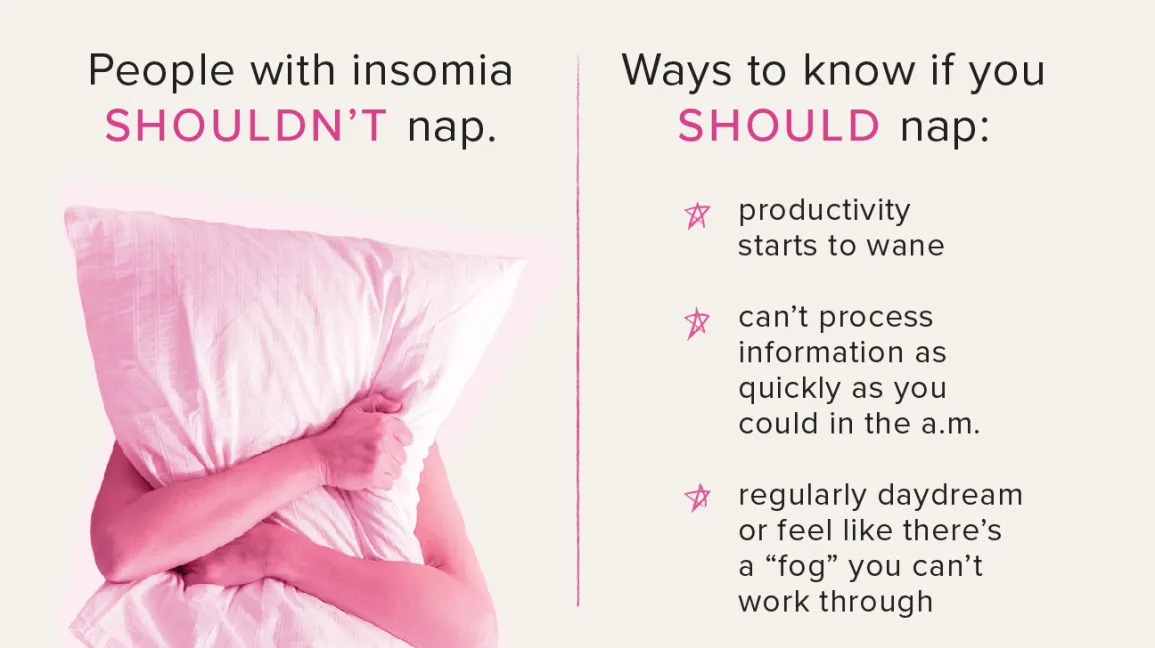
Are naps good for everyone? Many people benefit, but if you have trouble sleeping at night or certain conditions, naps might not always help—it’s individual.
How can I make naps more effective? Find a quiet spot, set a timer for 20-30 minutes, and relax without distractions.