

Have you ever noticed how a rough night can leave you feeling cranky the next day? It’s a common experience that many people face, and there’s real science behind it. In this article, we’ll explore in simple terms why not getting enough sleep can impact your emotions and overall mood.
Understanding the Basics of Sleep and Mood
Sleep isn’t just about resting your body—it’s crucial for your brain too. During sleep, your brain processes emotions, memories, and daily stresses. When you don’t get enough rest, this process gets disrupted, leading to changes in how you feel.
Think of sleep as a reset button for your mind. Without it, small annoyances can feel bigger, and positive moments might not lift your spirits as much. Studies show that even one night of poor sleep can make you more irritable or short-tempered.
Your mood is influenced by chemicals in the brain, like serotonin and dopamine, which help regulate feelings of happiness and calm. Lack of sleep can throw these off balance, making it harder to stay even-keeled throughout the day.
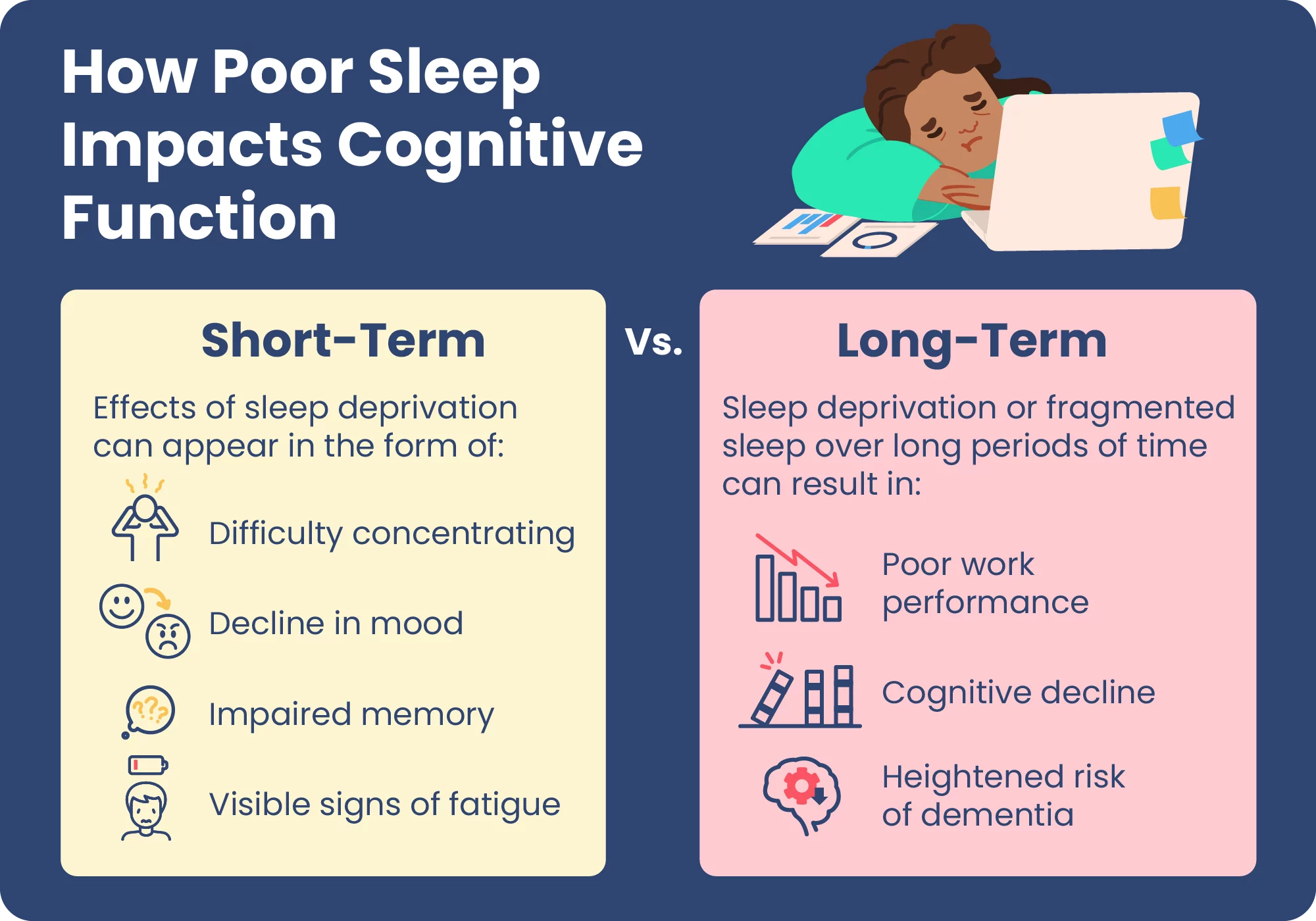
How Sleep Deprivation Messes with Your Emotions
One key way lack of sleep affects mood is by impacting your emotional control. Short-term sleep loss has been linked to reduced ability to manage feelings, making you more reactive to everyday situations.
For instance, without enough sleep, you might find yourself snapping at a coworker over something minor or feeling overwhelmed by a simple task. This happens because sleep helps stabilize your emotional responses.
Research indicates that sleep deprivation can increase negative emotions like anger or frustration. It can also make positive emotions weaker, so things that usually bring joy feel less rewarding.
Another aspect is how sleep affects the brain’s amygdala, the part that handles emotions like fear and anger. When you’re sleep-deprived, this area becomes more active, leading to heightened emotional reactions.
In many cases, people report feeling more anxious or stressed after a bad night’s sleep. This is because lack of rest can amplify worries and reduce your resilience to daily pressures.
The Role of Hormones and Brain Chemicals
Hormones play a big part in this connection. Cortisol, often called the stress hormone, can spike when you haven’t slept well. Higher cortisol levels contribute to feelings of anxiety and irritability.
On the flip side, melatonin, which helps you sleep, and serotonin, which boosts mood, can dip with ongoing sleep shortages. This imbalance often leads to a cycle where poor mood makes it harder to sleep, and vice versa.
Scientists have found that sleep deprivation causes a chemical shift in the brain, disrupting the balance needed for stable emotions. It’s like your brain’s natural mood regulators aren’t working at full capacity.
Over time, this can lead to more persistent mood dips, such as increased fatigue or confusion. But remember, these effects are often temporary and improve with better sleep habits.
Common Factors That Link Sleep Loss to Mood Changes
Several everyday factors explain why sleep shortages hit your mood:
- Stress Buildup: Without sleep, daily stresses don’t get processed properly, leading to accumulated tension that shows up as moodiness.
- Cognitive Fog: Lack of rest impairs thinking and focus, which can frustrate you and sour your outlook.
- Physical Discomfort: Feeling tired physically often translates to emotional weariness, making you less patient or upbeat.
- Social Interactions: When moody from lack of sleep, conversations might feel strained, adding to emotional strain.
These factors are common in busy lives, like juggling work, family, or screens late at night. Recognizing them can help you see patterns in your own routine.
Sleep and Mood in Daily Life
In everyday situations, this link shows up in simple ways. For example, parents with newborns often feel more emotional due to interrupted sleep. Or, students pulling all-nighters might notice they’re quicker to get upset the next day.
Work life can amplify this too—think of shift workers or travelers dealing with jet lag. Their moods may fluctuate more because their sleep patterns are off.
Even hobbies or evenings out can play a role. Staying up late for a show or game might seem fun, but the next day’s grogginess can dampen your enthusiasm.
Understanding this helps put things in perspective. It’s normal for mood to dip with poor sleep, and it’s often tied to routine habits rather than deeper issues.
When It May Be Worth Paying Attention
Sometimes, ongoing sleep issues and mood changes might signal it’s time to look closer. If lack of sleep happens often and your mood feels consistently low, it could be helpful to track patterns.
Things like persistent anxiety, unusual fatigue, or trouble bouncing back might suggest chatting with a professional. This isn’t about alarm—many people experience this occasionally.
Keep in mind, everyone’s different. What feels off for one person might be normal for another. If it affects your daily life, considering general wellness steps or seeking advice can be a good idea.
According to sources like the American Psychological Association, chronic sleep loss can heighten risks for anxiety symptoms, but this varies. Always approach this calmly.
More: Why Do I Wake Up Tired?
Simple Takeaways for Better Sleep and Mood
Here are some key points to remember:
- Prioritize consistent sleep schedules to help stabilize your mood.
- Small changes, like dimming lights earlier, can make a difference in how rested you feel.
- Be gentle with yourself on off days—knowing it’s often sleep-related can ease frustration.
- Building habits around relaxation before bed may support better emotional balance.
These aren’t guarantees, but they often help in everyday life.
Wrapping It Up
Lack of sleep affecting mood is something many of us deal with from time to time, and understanding the reasons can make it less mysterious. By recognizing how your brain and body respond to rest, you can appreciate the value of good sleep. Remember, small adjustments in your routine might lead to feeling more balanced overall.
FAQ Section
Why do I feel irritable after a bad night’s sleep? It’s common because sleep helps regulate emotions, and without it, small things can feel more aggravating.
Can lack of sleep cause anxiety? In some cases, yes—it may increase feelings of worry, but this often improves with better rest.
How much sleep do I need to avoid mood changes? Most adults aim for 7-9 hours, but it varies; listen to what feels right for you.
Does improving sleep always fix mood issues? Not always, as mood can stem from many factors, but better sleep often supports emotional well-being.
What if my mood doesn’t improve with more sleep? If it persists, considering other aspects of life or professional input might be useful.